Nov 24, 2025 | Michael Jestadt
Why is My Furnace Leaking Water?
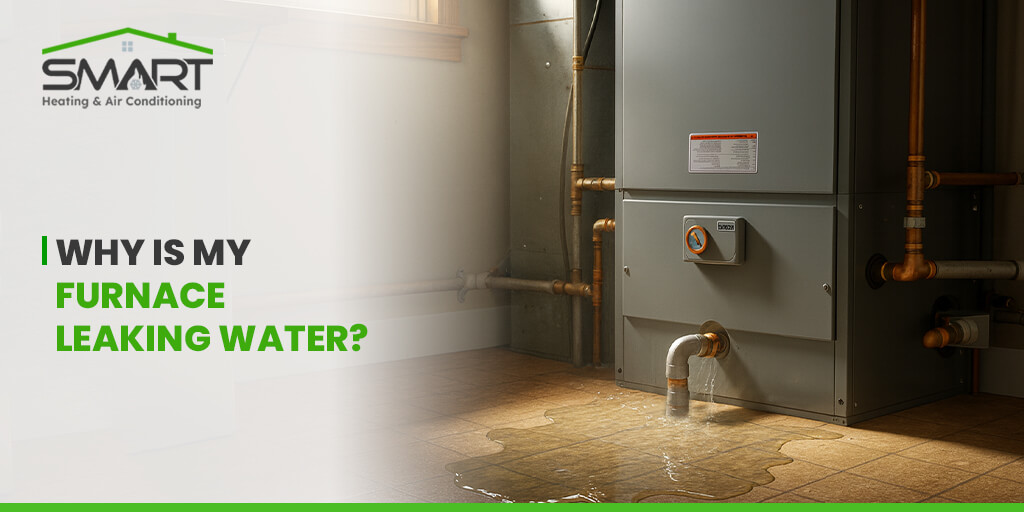
If you have a furnace in your home and notice a pool of water near it, it’s likely your furnace is leaking. There are various reasons behind this. Some can be fixed by yourself, and some need to be addressed by an HVAC professional. If you find any leaks, it is better to address them early to avoid costly repairs. In this article, we will explore the question “Why is my furnace leaking water?” so you can make informed decisions before it becomes a major issue.
Where Does the Water Come From in Furnace Leakage?
In high-efficiency systems, water often forms due to condensation during heating or when the furnace pulls in air with high moisture content. If it is a gas furnace, carbon monoxide and water are common byproducts of the heating process. In addition to this process, there are many areas where water can leak or be misdirected.
The Signs Of A Furnace Leaking Water
If there is any water leakage, moisture, unusual sounds, or odours around the furnace system, the furnace may be leaking water. Detecting them early is important to prevent costly repairs and maintain the efficiency of your furnace system. Below, we have mentioned the common signs of a leaking furnace. They are:
- Water Around the Furnace: There are many reasons for this sign, such as a blocked drain line, a damaged heat exchanger, or a humidifier. Take immediate action if you observe any water pooling around the furnace system.
- Moisture: This can be seen as wet walls, floors, or nearby objects. As a result, mould and mildew can form, damaging your home. It is important to find the reason and fix it immediately.
- Unusual Sounds: Sometimes you may hear hissing or gurgling while the system is running, indicating water escaping from the system.
- Foul Smell: Moisture or water accumulation can promote microbial growth and a foul odor.
Reasons for Water Leakage from the Furnace System
There are various reasons for water leaks from the furnace. But the common ones are mentioned below:
1. Water Condensation
Condensation is the common cause of furnace leaks. Sometimes the water is pushed through the heating vents, which causes it to spill out and form puddles. This happens commonly in winter, even in heated rooms, because hot air rises. Also, if your furnace is frequently turning on and off and has a water puddle around the system, it may indicate a water leak from the furnace.
2. Blocked Air
Generally, when the furnace system is built inside the wall, there will be an air duct that carries air from the furnace to the outside. If the duct becomes blocked with dust, the air returns unfiltered. This makes the furnace work harder, leading to overheating. This can also be a sign of a water leak.
3. Blocked Vent Pipe
A vent pipe is an outlet that leads outside. It is important to understand how a furnace sends air outside so you can ensure the blockage does not cause leaks. If there are no blocks, check for condensation or return air ducts where they connect to the outside; these are sensitive areas for leakage.
4. PVC Drain Line Plugged
Sometimes the furnace may not leak water; instead, the problem may be a clogged PVC drain pipe. This drain carries the extra water from the furnace. So, when it blocks, it can send the water back, causing leakage.
5. Clogged Filter
A clogged filter can cause water leakage from the furnace. If the air filter is dirty, it needs to work harder to circulate warm air throughout your home. During this process, condensation may occur, forming moisture around the filter that gradually leaks onto the ground.
6. Dirty Furnace Filter
If there is more water around your furnace system than usual, check whether the air filter is dirty or needs to be replaced. A dirty air filter can interrupt its working and cause leaks. So, check the air filter and replace or clean it yourself. If the problem persists, contact your HVAC experts for an inspection.
7. Leaky Drain Pain
It’s better to know how your furnace drains water so you can check it yourself and detect any leaks. If your furnace is leaking water and you notice the drain pan is clogged with waste, clean it yourself or contact a professional.
8. Condensate Pump Issues
During winter, water is circulated through the furnace system to keep your home warm and comfortable. So, if there are issues with the condensate pump, it becomes harder for it to pump water. As a result, there will be more condensation, which can cause water to pool near the furnace.
9. Broken Humidifier
A clogged humidifier can be another reason. Usually, there won’t be any flooding on the floor, but it can lead to extra condensation. Generally, the humidifier pours the water into the bucket. If there is an issue, you will find moisture around the furnace. If you find this issue frequently, it’s better to contact an HVAC expert.
10. Malfunctioning Secondary Heat Exchanger
A heat exchanger is a chamber in a furnace system that regulates the temperature. Usually, when it’s empty, it looks fine, but when it clogs with calcium carbonate, it can cause excess condensation, which may form a water pool below the furnace system.
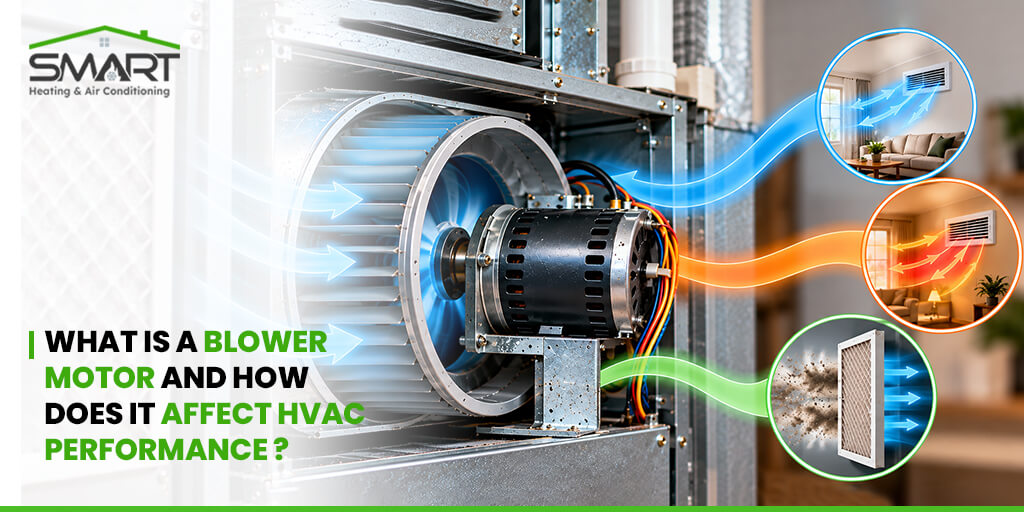
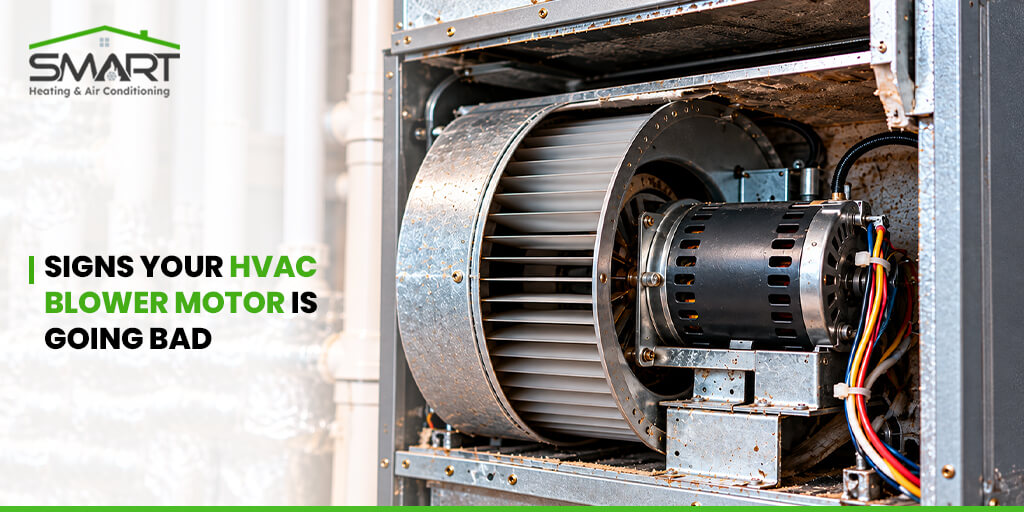
11. Broken Blower Motor
A defective blower motor in the furnace can cause leaks. This usually happens if the screws that hold the blower motor to the main furnace are loose or damaged. If that is the main reason, those screws need to be fixed as early as possible before deciding to repair the furnace system.
What to Do If Your Furnace is Leaking Water
If you observe any water pooling around the furnace system, act immediately.
Turn off the system
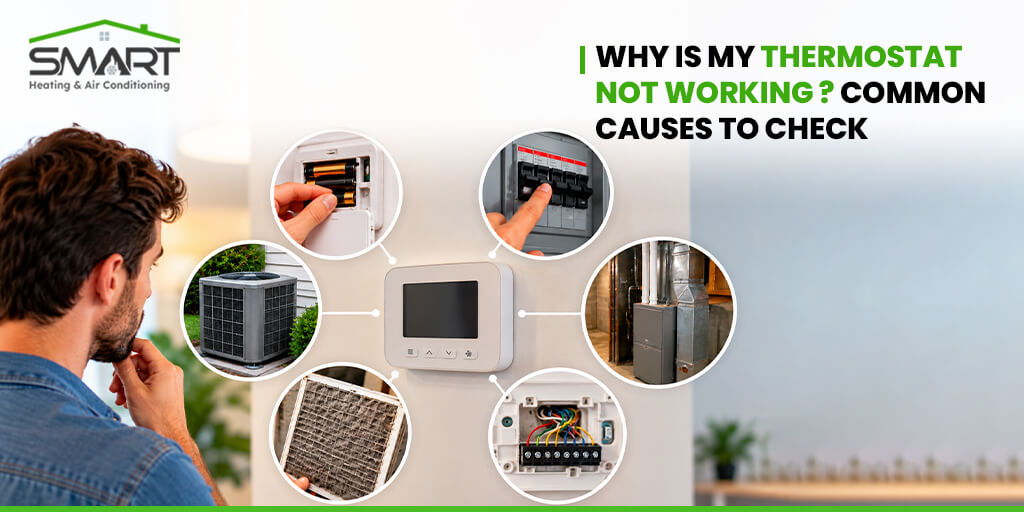
If there is any leakage caused by condensation or a frozen evaporator coil, turn off the system immediately at the thermostat or breaker box to prevent the problem from worsening.
Clean the Water
Use a towel or a sponge to remove excess water from the ground and dry the area. This reduces the risk of mold and anti-microbial growth.
Check the Air Filter
A dirty air filter can freeze your evaporator coil, causing issues. Maintaining a clean air filter can improve the air quality and efficiency.
Call for HVAC Repair
If you cannot handle the water leakage on your own, it’s better to contact an HVAC professional for inspection to prevent minor issues from becoming bigger.
Connect With Your Smart Expert When Your Furnace Is Leaking
Don’t wait for a small leak or repair to become a serious issue. If you observe any water around the furnace system, do not hesitate to reach out to us! At Smart Heating and Air Conditioning, we understand that a reliable, efficient furnace is essential to maintaining your home’s comfort and air quality. So, our heating experts will inspect the system, detect the leak, and fix the issue quickly. Contact us today for fast, reliable furnace repair and maintenance to keep your home safe and warm.