Jan 13, 2026 | Michael Jestadt
Does a Gas Furnace Use Electricity?
Most gas furnace users have a common question: “Does a gas furnace use electricity?” Gas furnaces generally use natural gas to produce heat. Still, they also use electricity to power components such as the blower motor, ignition system, and thermostat. You should understand how your furnace is powered, which will improve efficiency and prevent issues during power outages. In this article, we will explore in detail the electricity consumption of gas furnaces and the factors that affect it. Let’s get started!
Understanding Gas Furnace and Its Functioning
A gas furnace is a popular type of heating system that provides heat for indoor spaces by burning natural gas or propane. Here, the basic rule is to convert chemical energy into heat energy. All this heat is distributed throughout the home to maintain a warm, comfortable environment.
There are five major steps involved in the functioning of a gas furnace. They are:
- Combustion: A controlled flame is created by igniting gas in the furnace burner.
- Heat Exchanger: Later, the heat is transferred to a heat exchanger.
- Air Circulation: A blower fan moves indoor air through the heat exchanger, which heats it before it is sent to the indoor space.
- Distribution: When heated air is sent through ducts or vents, it is distributed to various rooms in the home.
- Thermostat Control: The thermostat checks the temperature and signals the device to turn on or off to maintain comfort inside the room.
Key Components of a Gas Furnace
Understanding the key components of a furnace system helps you estimate its electrical consumption. They are:
- Burner: The place where gas is lit and burned is a burner. It is an important part of the furnace system’s heat generation.
- Heat Exchanger: A metal component that keeps indoor air separate from the combustion process is a heat exchanger. It absorbs heat from the burner and transfers it to the air moving through the system, without mixing the two.
- Blower Fan: A blower fan helps move air from the heat exchanger into the rooms and spreads it throughout the building.
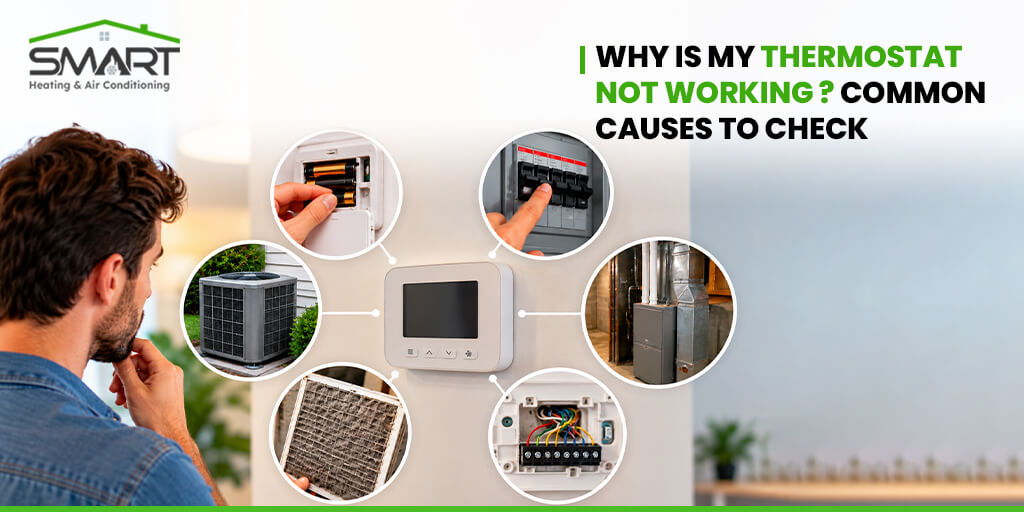
- Thermostat: A thermostat is a device that controls the furnace system. It detects the temperature and signals the furnace whether to turn on or off.
- Flue Pipe: A flue pipe vents waste gases, such as carbon monoxide, to keep indoor air safe.
Electricity Usage in Gas Furnaces
Gas furnaces burn natural gas to provide heat, but they use electricity for various functions:
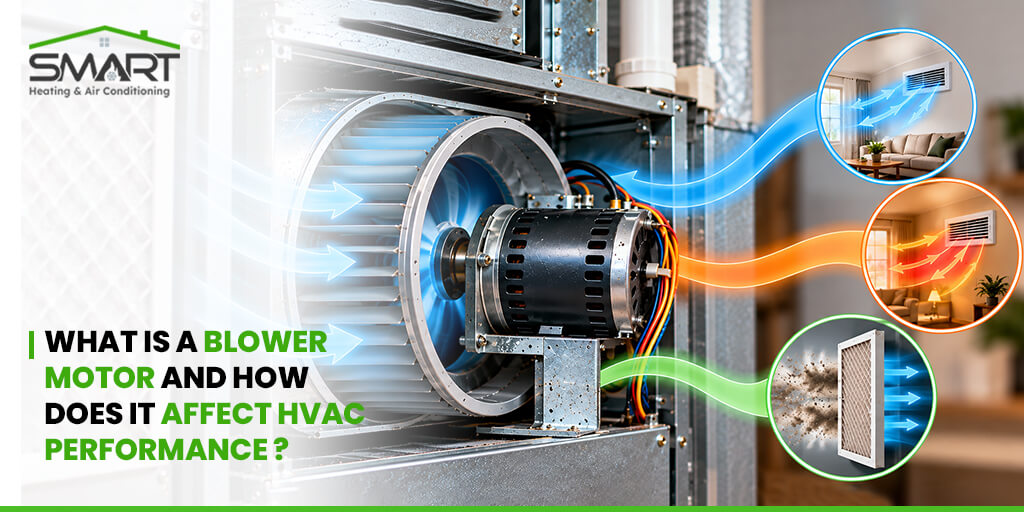
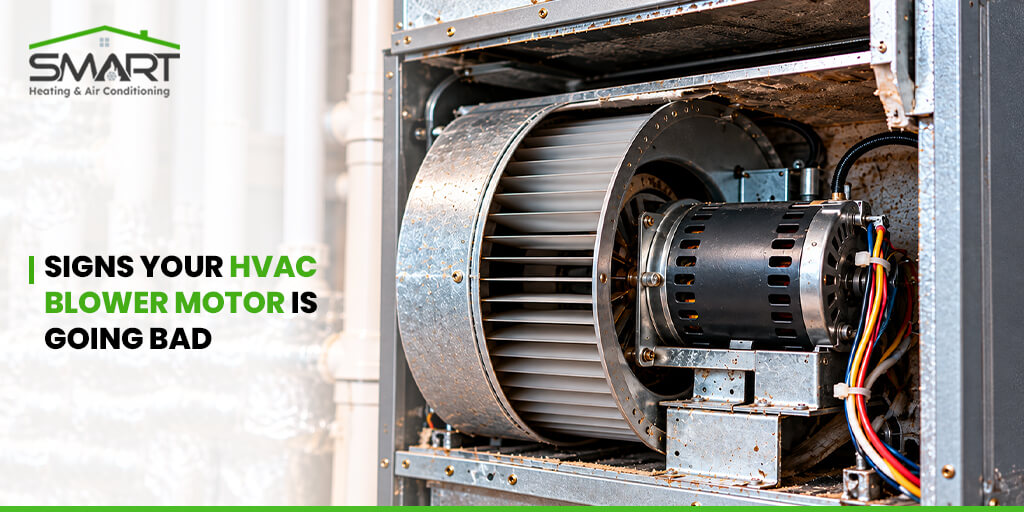
- Blower Motor: The blower motor accounts for the majority of the gas furnace’s overall power consumption. Older models use about 400 watts, whereas advanced models use 75 watts.
- Ignition System: It uses a very small amount of electricity but is important for starting the heating process.
- Control Board: The control board manages almost all the functions of the furnace system, starting from ignition to shutdown. It coordinates with all the parts and ensures the furnace runs smoothly.
- Flame Sensor: The flame sensor requires power to keep the burners lit and shuts down immediately if a leak occurs, preventing accidents.
- Safety Switches and Sensors: Many switches and sensors, such as safety switches and rollout switches, require constant power to ensure the furnace system runs safely.
How Much Electricity Does a Gas Furnace Use?
Gas furnaces, which are smaller versions, use about 300 – 500 watts of electricity, whereas larger models can use up to 1100 watts. The amount of electricity a gas furnace uses depends on its size and efficiency. Choose the right furnace size that suits your home’s requirements.
Factors Affecting the Electricity Usage of a Gas Furnace
A few factors affect electricity usage in a gas furnace. They are:
- Age of the Furnace: Older furnace models tend to be less energy-efficient than newer models.
- Blower Motor: The blower motor type also matters. Variable-speed motors are more energy-efficient than single-speed blower motors.
- Usage: Continuous use of the blower motor will cause excessive electricity consumption.
- Maintenance: A regularly maintained furnace unit runs more efficiently, resulting in lower electricity consumption.
Conclusion
Gas furnaces usually use natural gas, but they still require electricity to operate certain components. Having a clear understanding of these components and their operation is important so homeowners can make informed decisions when choosing a furnace system for their homes. Also, ensure regular maintenance of your furnace to ensure smooth operation and save electricity.
At Smart Heating and Air Conditioning, we provide furnace repair services in Concord and Pittsburg. Our experts are highly trained and ensure that your furnace system runs efficiently. For more details, contact us today and book your services!