Feb 10, 2026 | Michael Jestadt
How to Defrost an HVAC Unit in Winter?
HVAC systems include outdoor components that can withstand any temperature. However, freezing can occur for various reasons. During this period, HVAC issues and discomfort may occur. So, it’s important to know how to defrost an HVAC unit in winter. At Smart Heating and Air Conditioning, we have thousands of satisfied customers in Contra Costa and Alameda Counties, including those who have experienced a frozen HVAC unit in winter. In this article, we will explore why this problem occurs and what you can do to overcome it in detail. Let’s get started!
Ice isn’t Always the Problem
When temperatures drop, ice or snow can form on your HVAC components. It is not always a problem. Moisture in the air will be collected on the unit and its components, and it will freeze. Your HVAC system is designed to handle ice formation by leveraging the defrost cycle. This helps defrost ice or snow from the HVAC system. However, excessive ice or snow buildup can affect the HVAC system’s operation, which can be alarming. In such cases, follow the points that are mentioned below.
What Causes an HVAC Unit to Freeze Up?
Various factors can affect the HVAC system, leading to freezing. But most of them can be controlled by taking preventive steps:
- Restricted airflow can cause ice buildup on the unit during winter. Ensure you clean the air filters regularly and have your HVAC professional perform a ductwork inspection to identify any potential issues.
- Avoid snow, leaves, or other debris from falling onto or near the HVAC system, as they can block airflow.
- Use genuine HEPA filters with a proper rating for your HVAC system. Keep in mind that an air filter that restricts airflow is the same as a dirty one.
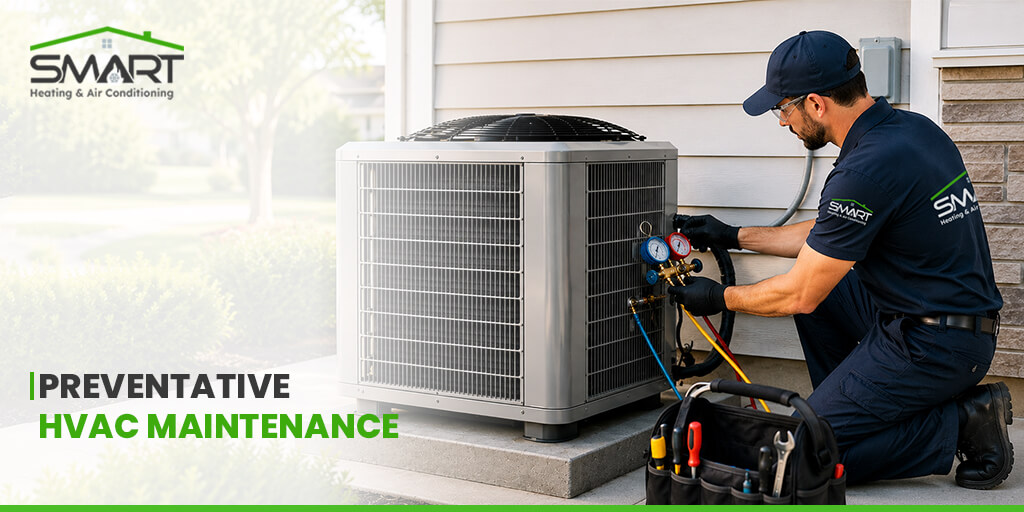
- Sometimes you may not notice any failed or malfunctioning parts in your HVAC system. They cause leakages and ice buildup on your unit. Regular maintenance by an HVAC professional is important to avoid such issues.
If you are in doubt whether your HVAC system is frozen or not, follow the steps below:
- Turn off the HVAC system.
- Turn on the blower to thaw the evaporator coils.
- If warm air is coming from the vents, your unit may be frozen.
Fixing a Frozen Heat Pump
Defrosting your HVAC system depends on many factors. But, below we have mentioned some of the common HVAC issues that can cause your system to freeze:
- Clean the Outdoor Component and its Surroundings: As mentioned above, ice and other debris can interfere with your HVAC system’s operation and cause freezing. It is important to check the surroundings and clear them as needed to avoid distractions around outdoor components.
- Blockages: Blockages in the drainpipe can cause freezing. Clogged drains attract moisture, which can cause them to freeze over time. When air filters and vents are blocked, the HVAC system may struggle to maintain comfort inside the home. So, schedule regular inspections to prevent these issues.
- Refrigerant Levels: Low refrigerant levels can cause the HVAC system to freeze. Refrigerant helps move heat from the outdoor unit to the indoor unit. If any leaks are detected, they should be addressed before refilling to the appropriate level.
- Blower Motor and Fan Blades: A malfunctioning or dirty fan blade can cause HVAC issues and lead to freezing. The signs include frequent on-and-off cycles of the blower fan or slower-than-normal operation. Fan blades filled with dirt or debris will attract moisture and freeze more slowly. It is important to clean the fan blades regularly and replace the blower motor if necessary.
- Check the Thermostat or Replace It: If your HVAC system is freezing frequently, the defrost cycle may be malfunctioning. Thermostat issues may be the reason. So, check the thermostat and replace it if needed.
- Reversing valve: The reversing valve in the HVAC system enables the unit to switch between heating and cooling modes. If the valve gets stuck, the unit can freeze.
- Dirty coils or Filters: Reduced airflow from dirty air filters or coils can impair heat absorption or release. So, clean them regularly. If you are cleaning outdoor or indoor coils, do not use harsh cleaners, as they can damage the coils’ protective coating.
Conclusion
A frozen HVAC system can be stressful, but it can be prevented through proper maintenance. Knowing how to detect the issue and taking early steps can protect your HVAC system in Contra Costa and Alameda County from freezing and maintain comfort in your home during winter. If you are unsure what’s causing the issue, it’s best to contact Smart Heating and Air Conditioning for expert HVAC services. We have technicians to keep your system running efficiently and maintain comfort in your home all season long. Contact us today to book an appointment!