Jun 10, 2026 | Michael Jestadt
How to Buy a New HVAC System in East Bay?
A reliable HVAC system is one of the most important investments for your home. Whether it’s a hot summer or chilly winter mornings in the East Bay, or changing temperatures, having the right HVAC system can improve comfort, lower energy costs, and increase your home’s value. However, buying a new HVAC system can be an exciting process. Many factors affect buying a new HVAC, and many contractors to choose from. In this guide, we will find out how to buy a new HVAC system in the East Bay so that you can make a smart decision and avoid expensive mistakes.
Why Homeowners in the East Bay Replace Their HVAC Systems?
Most of the HVAC system’s lifespan is 10 to 20 years, which depends on maintenance, usage, and the quality of the equipment. Over time, systems become less efficient and require more repairs.
Common reasons why homeowners replace their HVAC systems:
- High energy bills
- Hot or cold spots in the home
- Frequent breakdowns
- Poor indoor air quality
- Noisy
- High repair costs
- Older equipment
- Home shifting or renovations
If your HVAC system is over 15 years old and facing frequent breakdowns, it’s better to replace the system rather than invest in repairs.
Buying a New HVAC System in the East Bay, CA
Step 1: Evaluate Your Home’s Heating and Cooling Needs
Before shopping for a new HVAC system, consider your home’s specific requirements.
Home Size
Your home size plays an important role in choosing the right HVAC system. An HVAC system that is too small or too large can reduce efficiency and cause unnecessary wear and tear. A professional HVAC expert will assess the area and suggest the right size.
East Bay Climate
The East Bay experiences warm summers and mild winters. Cities such as Concord, Pittsburg, Walnut Creek, Brentwood, Antioch, and Pleasant Hill often experience high summer temperatures.
Because cooling demands can be significant during summer months, energy efficiency should be a major consideration when selecting a new system.
Insulation and Windows
If your home has older windows and poor insulation. It might need more heating and cooling capacity. It’s better to upgrade your insulation and windows before deciding to buy the right-sized HVAC system.
Comfort Requirements
Understand how your household uses HVAC. Some prioritize energy savings, whereas some prioritize comfort over energy bills. So, have a clear idea of your goals to narrow down the options.
Step 2: Understand the Different Types of HVAC Systems
Several HVAC systems are available for East Bay homes.
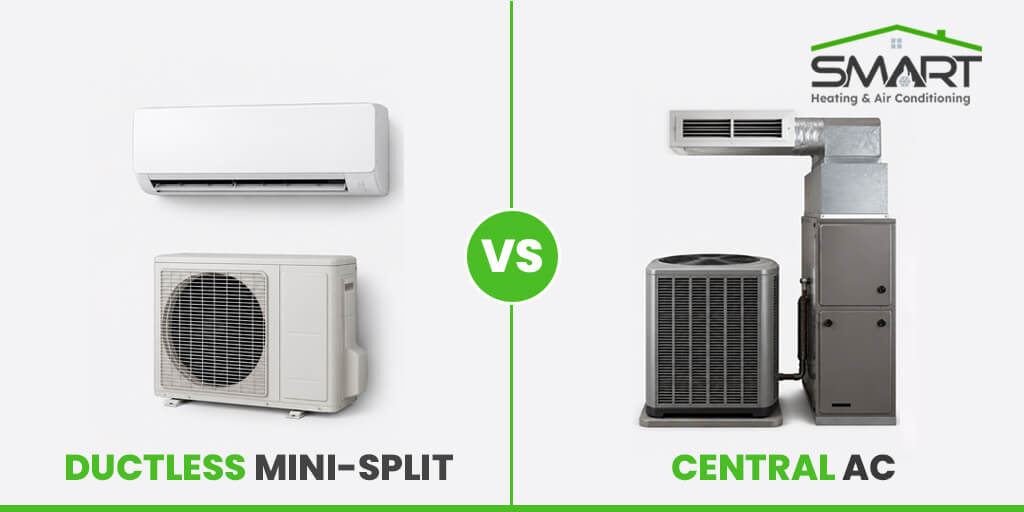
Central Air Conditioning and Furnace Systems
East Bay residents prefer having a central air conditioning and furnace system. While the furnace provides heat and the air conditioner provides cooling, both use the same ductwork.
Benefits include:
- Reliable comfort
- Simple to use
- Suitable for any home size
- Wide range of options
Heat Pumps
Heat pumps provide both heat and cooling. So, they have become more popular. While furnaces generate heat, heat pumps transfer heat from point A to point B.
Its advantages are:
- Energy efficiency
- Less operating costs
- Eco-friendly
- Better comfort
Ductless Mini-Split Systems
These systems are ideal for:
- Homes without ductwork
- Room additions
- Garages and workshops
- Zoned comfort control
You can easily control each indoor unit individually, which lets you maintain customized temperatures in different rooms.
Packaged HVAC Systems
Packaged HVAC units are used when the indoor space is limited. These systems make use of a single outdoor unit to provide heating and cooling.
Step 3: Learn About HVAC Efficiency Ratings
Energy efficiency is one of the most important factors when purchasing a new HVAC system. The following are the ratings you need to consider:
- SEER Rating (Seasonal Energy Efficiency Ratio)
- AFUE (Annual Fuel Utilization Efficiency)
- HSPF (Heating Seasonal Performance Factor)
Higher ratings generally lead to lower operating costs. Although high-efficiency systems may cost more initially, they often save homeowners money over the life of the equipment.
Step 4: Budget
HVAC replacement is a major investment you are making for your home. But focusing on low-priced HVAC systems can cost you more in the long run.
Consider the following points while budgeting for your HVAC system:
- Equipment costs
- Installation costs
- Energy savings
- Maintenance costs
- Warranty
- Rebates and incentives
You need to remember that proper installation is as important as the quality of the equipment. Improper installation can lead to expensive repairs.
Step 5: Choose the Right HVAC Contractor
Having the right HVAC contractor on hand is one of the most important aspects when buying your HVAC system. A properly installed system operates efficiently for a longer time.
Choose the contractors who:
- Have positive customer reviews
- Are licensed and insured
- Provide estimates in detail
- Explain clear equipment options
- Provide load calculations
- Offer maintenance plans
- Have quality work
Do not go for the contractors who give you an estimate without assessing your home. Because not all houses are the same, accurate system sizing needs an in-person evaluation.
Step 6: Compare Multiple Estimates
Obtain multiple estimates so that you can compare the avaliable options. Pay attention to equipment specifications, brand, and scope of work, such as installation and cleanup. Focus on overall value rather than upfront cost alone.
Step 7: Evaluate Indoor Air Quality Options
A new HVAC system provides an excellent opportunity to improve indoor air quality. Most homeowners in the East Bay will add air filtration systems, air purifiers, and humidity control.
Step 8: Smart Thermostat Integration
HVAC systems with advanced technology are integrated with smart thermostats. It allows homeowners to adjust temperature, automate schedules, and track energy usage with mobile devices, and optimize the usage accordingly.
Step 9: Warranty Coverage
Before buying an HVAC system, allow some time to understand the warranty details. Most of the manufacturers provide a warranty for the HVAC parts for a certain period. Many systems also have a compressor warranty, which will provide longer coverage as the compressor is an important and expensive part of an HVAC system. Some HVAC contractors also provide a labor warranty that covers installation-related work. So, having a clear idea of what is covered and what is not will avoid unexpected repair costs.
Step 10: Plan for Ongoing Maintenance
Even the best HVAC brand or system needs to be regularly maintained to run efficiently. It reduces the risk of unexpected breakdowns, extends the life of the system, and makes sure that the warranty requirements are met. Regular HVAC maintenance also improves the indoor air quality and comfort. Most HVAC experts recommend scheduling professional HVAC maintenance at least twice a year.
Common Mistakes to Avoid When Buying a New HVAC System
Many homeowners make avoidable mistakes during the buying process.
- Choosing an HVAC system based on Price
- Avoiding load calculations
- Ignoring issues in ductwork
- Neglecting Efficiency Ratings
- Choosing unqualified contractors
Final Thoughts
Buying a new HVAC system doesn’t have to be challenging. Take time to understand your requirements and make an informed decision. The right HVAC will provide you with reliable comfort and energy savings in the long run.
If you’re considering a new HVAC system for your home in the East Bay, we can help! At Smart Heating and Air Conditioning, we have a professional team that serves communities with professional HVAC installation, system replacement, maintenance, and energy-efficient comfort solutions. Contact us to schedule your HVAC service today.