Apr 22, 2026 | Michael Jestadt
How Often to Change HVAC Filter?
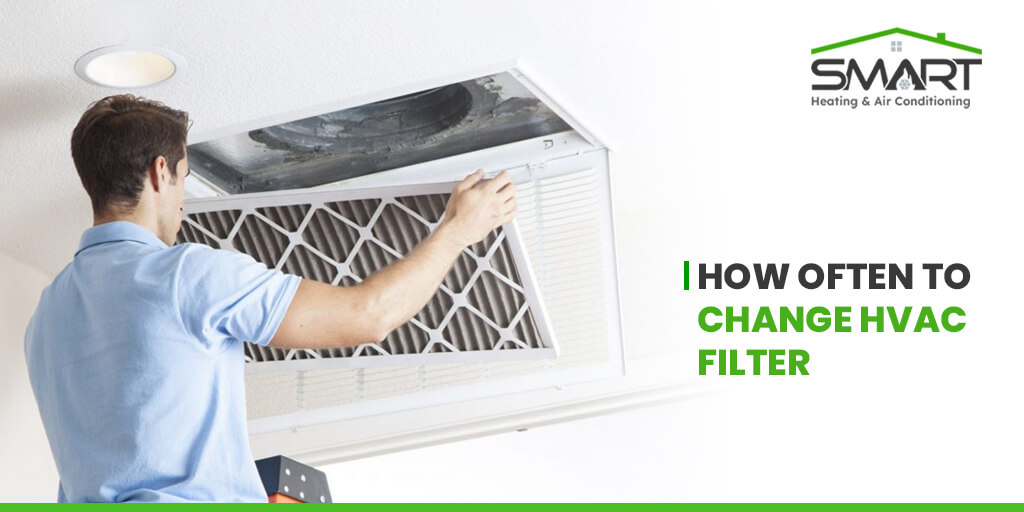
Your HVAC system is important to maintain optimal humidity and comfort in your home. Regular maintenance is important to keep it running efficiently throughout the year. The air filter for your HVAC system is located inside the unit or in the ductwork cabinet. It captures dust, dirt, and other pollutants, keeping the air clean and HVAC components running more efficiently. An air filter should be cleaned or replaced regularly to ensure the smooth, efficient functioning of the HVAC system and maintain good indoor air quality. But most homeowners aren’t sure how often to change their HVAC filter, which we’ll discuss in detail in this article.
Why Is a Clean HVAC Air Filter Important?
An HVAC filter is responsible for maintaining good air flow and cleaner air in the living spaces. It is important to keep them clean so the HVAC system runs efficiently without issues. If the filter is not clean, there is a high chance of reduced airflow, overheating, and a foul smell coming from the HVAC system, which can affect your comfort and increase your utility bills. Usually, an air filter change is a simple task you can do yourself, and skipping it can cause serious issues.
Types of Air Filters
Usually, air filters are changed every 1 month to 1 year, depending on their working conditions. If the HVAC system is in a high-dust, high-pollution area or a home with many pets, it needs to be changed more often. Whereas, if the home is located in a clean environment with less occupancy, it needs to be changed once or twice a year. But an approximate duration would be 3 – 6 months.
- Fiberglass Filter: A fiberglass air filter is an affordable option. They are 1 inch thick and provide basic filtration when installed in your HVAC system. Fiber glass filters are disposable and should be checked every 30 days and replaced accordingly.
- Polyester or Pleated Filters: Polyester or pleated air filters are an advanced version of fiberglass air filters, offering better performance and efficiency. They are available in various sizes from 1 inch to 4 inches. They have more surface area, which makes them last longer and need to be cleaned or replaced only when required.
- Washable air Filters: Washable filters are not commonly seen. These differ from the two above filters because they filter more effectively when dust and other particles accumulate on them. When the filters are filled with dust, you remove them, clean them, and put them back in their place.
For all the above filters, the MERV rating is important to know their effectiveness. This value indicates the filter’s air filtration ability. The ratings are usually 1–16, with 6 considered the most effective.
Factors That Impact How Often You Should Change Your Air Filter
Below are the factors that affect how often you should change your air filter. They are:
Home Size
The home’s size also affects the frequency of air filter changes. If the home is large, the HVAC system circulates more air, which means the air filters trap more dust and pollutants, and they need to be changed more frequently. Whereas smaller homes don’t need to change air filters as often.
Filter Type
The type of filter you use makes a huge difference in how often you need to change it. As discussed above, the two main types need to be changed depending on their usage. They are fiberglass air filters and pleated air filters. If you are using a fiberglass air filter, it needs to be changed every 30 – 40 days and is less efficient. If you are using a pleated air filter, you need to change it every 90-100 hours, depending on usage. They are more efficient than the fiberglass type and are most commonly used. If you are unsure how to change the air filter, you can refer to the manufacturer’s guidelines.
Allergies
The allergy symptoms can be reduced by using a high-quality HVAC filter and replacing it regularly. The dust, dirt, and pollutants in your living space can trigger allergies, leading to sneezing, coughing, and a runny nose. Breathe easier by changing your HVAC air filter before it clogs, and reduce allergy symptoms.
Air Quality
Air quality plays a major role in how often to change the air filter. When your home is in an area with dusty, contaminated air, the air filter can clog faster. Also, if there are any wildfires, it’s better to check the air filter and replace it after smoky days.
Pets
Most homeowners keep their pets at home. But what they don’t realize is that having pets can also affect indoor air quality. The pets shed hair, dander, and other allergens, and also bring in dust, dirt, and other pollutants that are released into the air. So, if you have pets in your home, it’s better to regularly check the air filter and replace it whenever it’s dirty. The filter replacement frequency also varies depending on whether the home has pets.
Season
Seasonal changes can significantly affect the need for air filter replacements. During the mild season, you can open the doors and windows and spend most of your time outdoors. During this time, you can observe more dust and contaminants entering your home. But your HVAC system won’t capture all of them, as it isn’t running. So, to improve air quality, it’s better to set your fan on the thermostat from auto to on so that there will be continuous air filtration without heating or cooling. If you run your fan continuously in spring or fall, it’s better to check and replace it as needed regularly.
Occupancy
A home with more people will need more frequent air filter changes than a home with fewer people. Children and older people are more sensitive to air pollutants than adults. So, it’s better to replace the air filters before they get clogged and dirty. Use a high-quality pleated HEPA filter for advanced filtration and change it every two months.
Visual Inspection
If you are unsure when to change your HVAC air filter, check it monthly, so you’ll know when to replace it. As a general rule of thumb, hold your HVAC filter to a light source. If the light doesn’t pass through the filter, it’s time to change it.
Step-by-step Guide on How to Clean an HVAC Filter
Below are some steps for cleaning your HVAC filter. But if you are still unsure, refer to the manufacturer’s guidelines.
- Turn off the HVAC system
- Wait for 15 sec
- Disconnect the cable
- Rotate the door locks and remove the door
- Remove the filter
- Vacuum the filter and collection cells
- Replace the filter and collection cells in place
- Attach the door
- Connect the power cable
- Turn on the air cleaner and HVAC system
Conclusion
Changing or replacing an air filter is one of the easiest HVAC maintenance tasks you can do yourself, yet it’s often overlooked. It plays a big role in helping you breathe cleaner air and extending the life of your HVAC system. If you need help choosing the right filter, scheduling HVAC maintenance, or upgrading your system, we’ve got you covered. At Smart Heating and Air Conditioning, our experts guide you every step of the way to ensure a healthier home environment. Contact us today for a free quote!