Mar 19, 2026 | Michael Jestadt
How to Automate Your HVAC System for 40-Degree Mornings and 70-Degree Afternoons?
Imagine waking up to chilly mornings where the temperature is 40 degrees outside. But by noon, it gradually rises to 70 degrees, which is way more comfortable. It would be great if your HVAC system automatically adjusted its temperature without you having to touch anything. That’s where automation comes into play. Using smart thermostats, sensors, and smart schedules ensures your home is comfortable all day long. In this article, we will explain how to automate your HVAC system so your home stays comfortable and warm, uses efficient energy, and puts no strain on your equipment.
Understanding HVAC Automation
What is HVAC Automation?
HVAC automation, in simple terms, gives your HVAC system a brain of its own. Apart from frequently adjusting the temperatures, an automated system will do it for you, using preset schedules, real-time data, and predictive intelligence to maintain your home’s comfort. It’s similar to switching from a manual car to one with cruise control, which takes you where you want to go while handling the repetitive work for you.
HVAC automation uses smart thermostats, sensors, and software platforms to track indoor temperatures, weather, humidity, and your daily habits. This reduces the unnecessary energy consumption.
Benefits of Automating Your HVAC System
HVAC automation is not solely about convenience. It’s about energy efficiency, cost savings, and long-term comfort. By integrating automation into your system, you can significantly reduce your monthly operating costs.
Better Comfort
Automation improves comfort in various ways that a manual thermostat can’t. Regular thermostats maintain a single temperature regardless of the outside temperature. At the same time, automated systems adjust to changing temperatures. For instance, if the temperature is 40 in the morning and 70 in the afternoon, you might need to make several temperature adjustments if you are using a manual thermostat. Whereas automation adjusts itself without any touch and maintains comfort in your home.
Equipment Longevity
You can improve equipment longevity by integrating automation. Frequent on-and-off cycling of the HVAC system can strain components, leading to premature wear and repairs. When installed with an automatic system, the system will run more efficiently, reducing sudden spikes and drops in the temperature. Over time, this smart operation will extend the life of your HVAC system. This shows that HVAc automation is not about comfort and saving money, but an investment in your home.
Energy Efficiency and Cost Savings
By creating tailored schedules based on your lifestyle, using occupancy sensors to detect occupancy, and integrating weather forecasts, you will ensure your HVAC system operates when needed. Gradually, these minor adjustments will save you more and reduce your home’s carbon footprint.
Enhanced Comfort and Convenience
Convenience is another major benefit. HVAC automation removes all the hassle of managing indoor temperatures all day. You don’t need to wake up early to turn up the heater or come home to a hot or cold house after work. The automated system does it for you. You can even control it with smartphone apps, so you can manage the system when you are away from home.
Types of HVAC Systems Compatible with Automation
Most of the modern HVAC systems are easily compatible with automation systems. They are:
- Central Furnaces: Wifi enabled with remote scheduling
- Heat Pumps: Handling heating and cooling schedules with smart schedules
- Ductless Mini-split: Has its own smart controller or needs to be integrated with third-party ones.
If you are using older systems, integrating an automated system can be challenging. Using adapters or upgrades can help.
Choosing the Right Automation Tools for Your HVAC System
Selecting the right tools for automation is crucial to its effectiveness. Your choices will make the HVAC setup precise, convenient, and energy-efficient.
Smart Thermostats
It is the hub for any HVAC automation setup. Smart thermostats will analyse your daily routines and habits, connect to wifi, and adjust themselves depending on weather patterns. There are various brands available in the market that allow you to set different temperature goals for specific times of day.
They also come with energy-saving modes. Some brands offer a feature that adjusts the temperature based on the number of people in the room. Some apps let you tweak settings from anywhere. Also, some thermostats can be integrated with home ecosystems like Google Home, Apple HomeKit, or Amazon Alexa, which allows voice control and a hands-free experience.
Sensors and Remote Monitoring Devices
Sensors and remote monitoring devices work best when paired with smart thermostats. They detect moisture, humidity, temperature, and motion, and provide this information to the thermostat so it can make informed decisions beyond following preset schedules and adjust the temperature accordingly.
Due to technological advancements, remote monitoring devices offer homeowners greater control and visibility. With cloud-connected apps, you can monitor performance, receive real-time maintenance alerts, and identify potential repairs.
Indoor Temperature Sensors
Indoor temperature sensors act as the eyes and ears of automated HVAC systems. When they are placed strategically around your home, like the living room, bedroom, and kitchen, you get accurate data of your home, which helps the system to maintain a comfortable temperature in each area.
Humidity Sensors
Humidity sensors add another layer to your automated HVAC system. When the air is cold and dry, the system adjusts itself or the humidifiers to maintain indoor moisture levels. By doing so, you can prevent dry skin, static electricity, and respiratory discomfort. By combining an automated HVAC system with humidity sensors, you provide an environment that feels comfortable and healthy.
Integration with Voice Assistants and Apps
HVAC automation becomes even more convenient when combined with voice assistants and mobile apps. With simple voice commands, you can adjust the temperatures, switch operating modes, or activate vacation settings when you are away from your home. Whereas apps provide you with analytics, energy-saving tips, and remote access to your system.
This allows you to adjust settings based on your daily routine or unexpected weather changes, ensuring your home is energy-efficient and comfortable at all times.
Programming Your HVAC for Variable Temperatures
After selecting the automation tools, you need to program your HVAC system to handle a range of temperatures. This is where automation truly shines. It allows your HVAC system to respond to occupancy, schedules, and even outdoor weather conditions without requiring constant changes to your thermostat.
Setting Up Morning and Afternoon Temperature Goals
First, you have to define the temperature goals for different times of the day. Since outdoor temperatures can change dramatically, you should make your system adapt accordingly. Most smart thermostats allow time-based scheduling. Set heat cycles for the morning and afternoon periods so the HVAC system adjusts the temperature rather than turning on full at once. This ensures energy efficiency, helps maintain a consistent indoor climate, and reduces strain on the equipment.
Using Geofencing
Advanced home automation systems include geofencing features that utilise a smartphone’s location to automatically adjust the temperature. When you are away from home, the system automatically reduces heating in unoccupied areas, ultimately saving energy. This feature is important for maintaining comfort and efficiency without manual intervention.
Weather Data
Integration of weather data can make your HVAC system even smarter. Most smart thermostats can adjust the temperature based on the outside temperature. For instance, the morning can be colder, so the heater starts earlier than the set time to maintain comfort. The same applies during the summer. This maintains your home’s comfort when outdoor weather conditions fluctuate.
Avoiding Energy Waste During Transition Hours
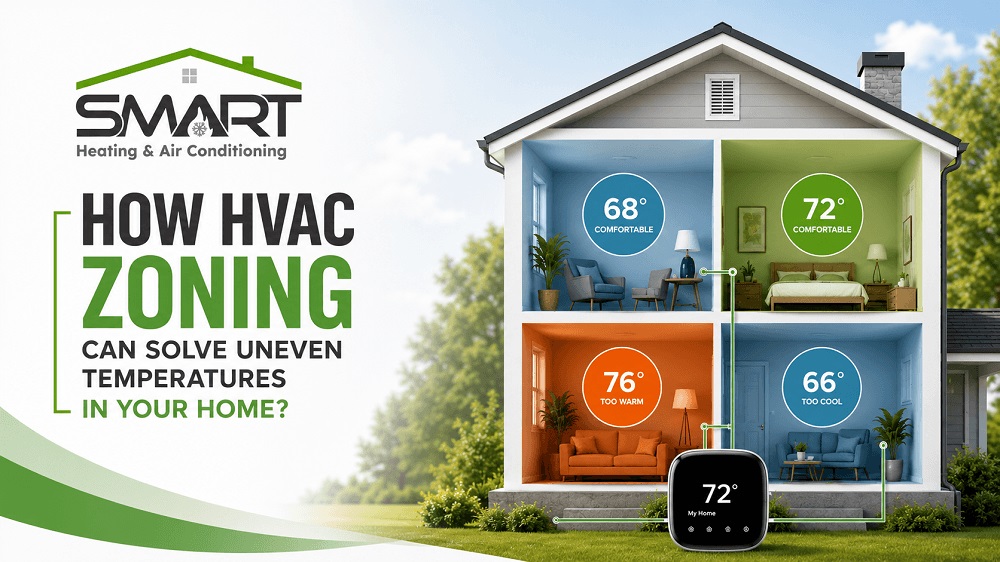
Transition hours are those when the temperature changes from low to high or vice versa. Without an automation system, overheating can occur, leading to energy waste and discomfort. A properly programmed HVAC system will handle this by monitoring indoor and outdoor conditions and occupancy patterns without unnecessary energy use. You can even use zoned sensors in rooms that warm faster due to sunlight, so there won’t be the problem of over-conditioning, and you can maintain uniformity in the home.
Advanced Tips for HVAC Automation
- Integration of HVAC system with smart home eco systems
- Using predictive AI thermostats to know your usage patterns
- Set temperatures for the seasons
- Use gradual temperature changes to reduce load on the compressors and ductwork
- Focus on active rooms for heating or cooling
Conclusion
Automating your HVAC system for 40-degree mornings and 70-degree afternoons transforms your home from a static environment into an intelligent space that responds to your comfort needs and lifestyle. With the right combination of smart thermostats, sensors, scheduling, and advanced AI features, you can keep your home at the perfect temperature without even touching it. Make your home smarter with Smart Heating and Air Conditioning. Contact us today and automate your HVAC system and maintain consistent comfort in your home.