Feb 6, 2026 | Michael Jestadt
How to Prevent HVAC System from Freezing?
Winter will be tough on your HVAC system. When temperatures drop, HVAC systems can struggle, leading to freezing. It is important to take preventive measures before your HVAC system stops working. If you are looking for an efficient way to keep your house warm this winter, you need to know how to prevent your HVAC system from freezing, as explained in this article. Let’s deep dive into it.
How to Know if Your HVAC System is Freezing?
There are a few signs that indicate your HVAC system is freezing. Some of the common ones are:
- Unusual warm or cold air from the system is affecting the room temperature and comfort.
- Less to no air from the vents
- Ice buildup on the inside of the unit
- Strange noises from the unit
Sometimes there may be no ice buildup on the HVAC system, which doesn’t mean there is no freezing issue. Addressing the above concerns will prevent further damage to your HVAC system.
Reasons Why Your HVAC System Freezes
HVAC systems are designed to maintain temperature and comfort in indoor spaces. Still, they aren’t designed to operate at freezing temperatures. When outdoor air drops below the freezing point, moisture can freeze, which can damage the HVAC system and cause it to stop working. Various factors can cause freezing in HVAC systems during cold weather; addressing them can prevent it. They are:
- Lack of airflow due to restriction or blockage of the dirt in the coils
- Dirty air filter
- Outdated evaporator coils
- Less refrigerant level
- Dirty or blocked air ducts
- Unusual temperatures outside
- Faulty thermostats
- Leaks from the HVAC system
- Malfunctioning compressor
- Broken reverse valve
There may be many more reasons, but these are the most common, and addressing them in advance is important for improving the system’s efficiency and longevity.
How to Prevent Your HVAC System from Freezing During Winter
You mostly rely on your HVAC system to maintain temperature and comfort in your living areas. It also maintains the property and other items in good condition by maintaining optimal temperatures. If your HVAC system is freezing up, it affects your comfort during the winter.
Below, we have mentioned some key points that you can follow to avoid freezing of your HVAC system:
Having the Right Size HVAC System
Most HVAC systems freeze when they are undersized or oversized. Ensure your HVAC system is the right size for your living space and the climate you live in. In commercial properties, ownership changes, but the HVAC system size remains the same and doesn’t require upgrades. Each commercial application has its own requirements, so it is important to upgrade based on the application type; otherwise, this can cause freezing.
Sometimes you also need an auxiliary heating option when the outside temperature is freezing to maintain the required heat in the living areas.
Get Regular Maintenance
Most HVAC freezing issues can be addressed through regular HVAC maintenance. Common causes we have already discussed in the above section. To avoid these issues, schedule regular HVAC service with your HVAC technician.
DIY Checks and Fixes
Not all HVAC issues require the attention of HVAC experts. You can address some issues to prevent your HVAC system from freezing. Simple fixes like:
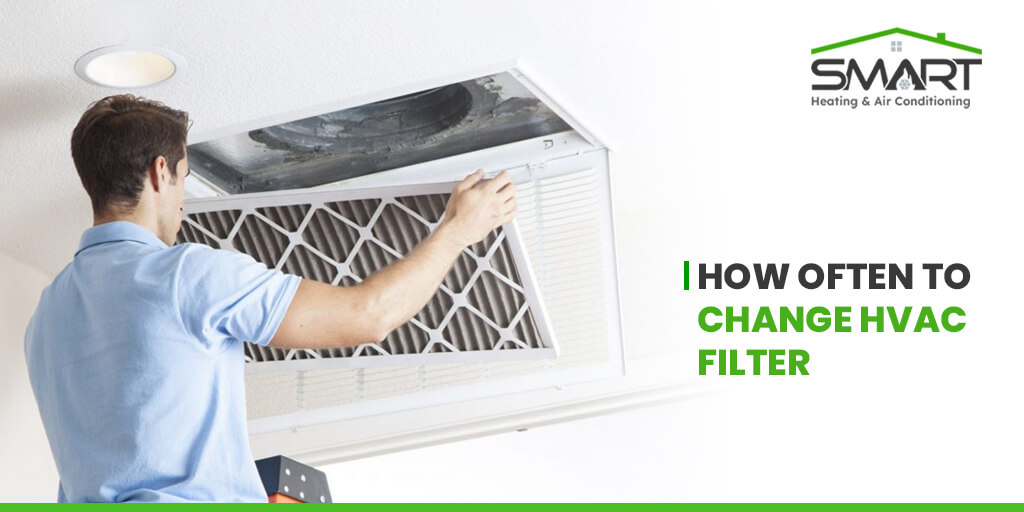
- Frequent changing or cleaning of the air filters
- Clearing the snow near the outdoor component
- Find the condensate drain and clean it to ensure there is no water pooling to avoid freezing
You can perform these regular checks yourself to prevent the HVAC system from freezing.
Use Your System as Recommended
Another way to prevent the HVAC system from freezing is to use it as the manufacturer recommends. They will tell you the right temperature to set on the HVAC unit. Ignoring it can cause the system to freeze. If they have advised against using AC in winter, follow those instructions without hesitation to avoid freezing. Also, if they are told to turn on the additional heating system at a specific temperature, do so. Using the auxiliary heat protects the system from overfreezing.
Reach Smart Heating for Help!
If your HVAC system is frozen, it is important to get professional help to prevent freezing and damage. At Smart Heating and Air Conditioning, we guide our customers in maintaining their HVAC system’s efficiency and comfort. We offer 24/7 emergency support so we can fix it immediately when you need it most. Our technicians will assess the issue and advise you on how to address the freezing of your HVAC system. Contact us today to schedule your HVAC services.