Nov 9, 2026 | Michael Jestadt
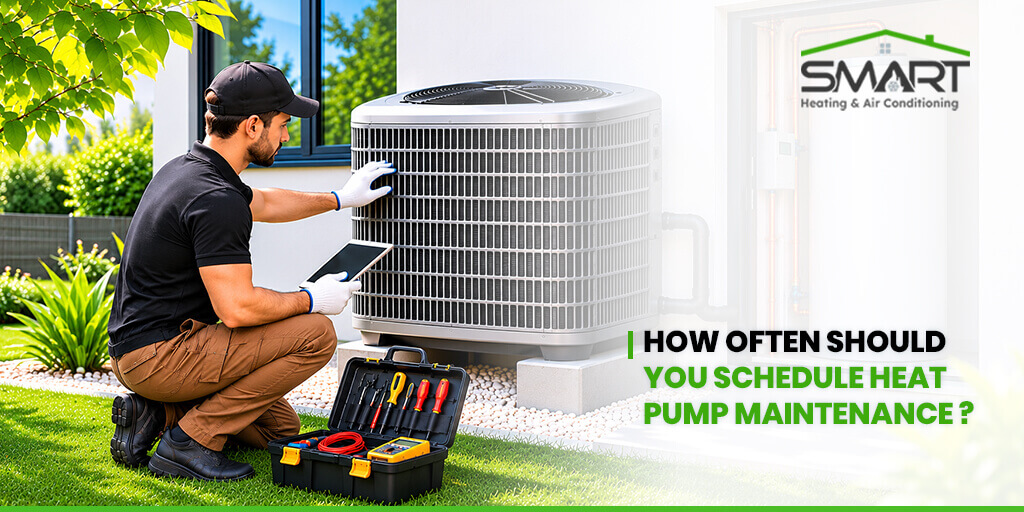
How Often Should You Schedule Heat Pump Maintenance?
Heat pumps are used for effective heating and cooling applications in your home throughout the year. They differ from traditional heating and cooling systems; they can provide both heating and cooling in a single unit. However, heat pumps operate in different seasons; they need regular maintenance to work effectively.
One of the most common questions among homeowners is how often they should schedule heat pump maintenance. Regular maintenance helps prevent unexpected repairs, improve efficiency, and extend the system’s life. In this article, we look into the topic of how often you should schedule heat pump maintenance. Let’s get started!
Why is Regular Heat Pump Maintenance Important?
Heat pumps contain several parts, including compressors and coils. Fans, refrigerant lines, reversing valves, and electrical components work together to transfer heat between your home and outdoors. Dust, dirt, moisture, and normal wear can affect the functioning of these parts. Without regular maintenance, your heat pump may consume more energy and break down.
The following are some important reasons to maintain your heat pump regularly:
1. Improves Energy Efficiency
A well-maintained heat pump consumes less energy to heat and cool your home. Dirty filters and blocked coils make the system work harder to reach your preferred temperature. During maintenance, technicians clean components, inspect airflow, and check system performance. This process helps your heat pump operate more efficiently and may reduce monthly energy charges.
2. Prevents Unexpected Breakdowns
Small problems with your heat pump may become major repairs if they are ignored. For instance, a loose electrical connection may affect overall system performance. Regular maintenance helps technicians identify these issues early. Fixing minor problems before they become serious can reduce the chances of unexpected breakdowns during extreme weather conditions.
3. Supports Equipment Lifespan
Generally, heat pumps are designed to work for many years, but poor maintenance can shorten their lifespan. When components become dirty, the system needs to work harder to maintain indoor comfort. Regular maintenance helps reduce unnecessary strain on components. This can help reduce the replacement of components and protect your investment.
4. Protects Indoor Comfort
A heat pump should provide consistent heating and cooling throughout the home. Dirty filters and airflow issues can cause uneven temperatures. Professional heat pump maintenance helps ensure that air moves properly through your system and helps to maintain consistent performance.
5. Maintains Better Indoor Air Quality
Dust and dirt can collect in air filters and other important components. If these areas are not cleaned regularly, they may affect the system performance and cause uneven temperatures. Replacing air filters and cleaning accessible components helps to reduce the amount of dust in your heat pump.
How Often Should You Schedule Heat Pump Maintenance?
For most homeowners, scheduling professional heat pump maintenance twice a year can be a good approach. Since heat pumps provide both heating and cooling, they often operate throughout the year.
The following is a simple maintenance schedule to follow:
Spring Heat Pump Maintenance
Spring is an ideal time to schedule heat pump maintenance before temperatures begin to rise. During warm months, your system works harder to remove heat from your home. Spring maintenance prepares the equipment for efficient cooling operation. A professional technician inspects the outdoor unit, cleans the coils, checks refrigerant levels, and makes sure the electrical components are working properly. This tune-up helps identify problems that could affect cooling performance during summer months.
Fall Heat Pump Maintenance
Fall is another important time to schedule professional maintenance. Before the colder months arrive, your heat pump needs to be ready to provide reliable heating throughout the home. During a fall inspection, technicians check the reversing valve and electrical connections, test the defrost cycle, and confirm that the system switches between heating and cooling modes.
Monthly Filter Checks
Homeowners should check their air filters more frequently. However, professional maintenance is recommended twice a year. A dirty air filter restricts airflow and reduces your heat pump efficiency. Depending on the filter type and household conditions, filters may need replacement every one to three months for better performance.
Signs Your Heat Pump Needs Maintenance Between Scheduled Visits
Even if you follow a twice-yearly maintenance schedule, your heat pump may develop problems between service visits. Watch out for the following warning signs, and arrange a professional inspection for better system performance.
- Irregular noises: Buzzing, grinding, or squealing sounds may indicate loose parts or mechanical issues.
- Increase in Energy bills: A sudden increase in energy bills without a change in system usage may indicate that your system is losing efficiency.
- Inconsistent temperatures: If some rooms are warmer or cooler than other rooms, it indicates your system may have airflow problems.
- Weak airflow: If air coming from vents feels weaker than usual, it may indicate there may be a dirty filter, blocked ductwork, or other issues.
- Strange smells: Burning or musty odours should be examined to identify possible electrical or moisture-related issues.
What Happens If You Skip Heat Pump Maintenance?
Skipping regular maintenance may not cause an immediate issue, but it can affect your heat pump over time. Without regular maintenance, dust and dirt can collect on components. Due to weak airflow, the system may use more electricity to maintain temperatures.
The following are some common consequences of skipping maintenance:
- Reduced overall heat pump performance
- Weak airflow and uneven indoor temperatures
- Shorter equipment lifespan
- Increased energy consumption and high energy bills
- Risk of system failure during extreme weather conditions
- More repairs and unexpected breakdowns
How Can a Heat Pump Maintenance Plan Help?
A heat pump maintenance plan makes it easier to stay on top of regular service appointments. Instead of emergency repairs, you can schedule inspections in advance. HVAC companies offer maintenance membership plans that include seasonal tune-ups and additional benefits.
The benefits may vary from one plan to another and may include:
- Two scheduled maintenance visits per year
- Priority scheduling for service requests
- Discounts on eligible repairs
- Detailed system checks
- Reduced risk of unexpected breakdowns
- Improved long-term system care
Conclusion
Regular heat pump maintenance helps protect important components, improve energy efficiency, and support comfortable indoor temperatures throughout the year. For homeowners, scheduling two maintenance visits annually is the best approach. A spring maintenance visit prepares your system for summer cooling, while fall maintenance supports reliable heating during colder months.
At Smart Heating and Air Conditioning, we provide professional heat pump maintenance tailored for homeowners to maintain reliable heating and cooling performance. Our 23-point SmartIQ tune-up includes detailed inspection, cleaning, and performance checks to identify potential problems. Contact us today for a free quote!