Nov 12, 2026 | Michael Jestadt
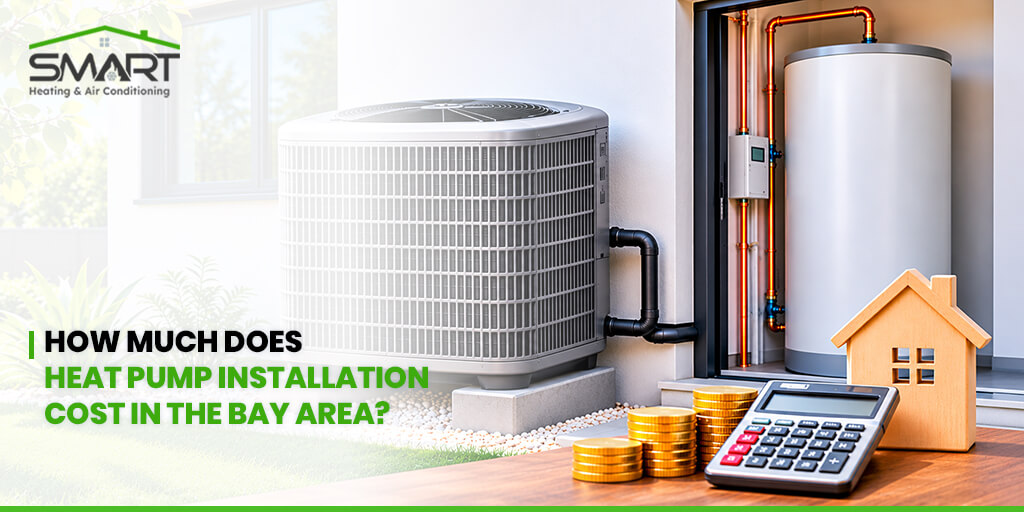
How Much Does Heat Pump Installation Cost in the Bay Area?
If you are going to replace your old furnace or install a new HVAC system, a heat pump is a great choice. Most of the homeowners in the Bay Area are switching to heat pumps because they can provide both heating and cooling without the need for two separate systems. But before choosing one, it is important to know how much heat pump installation cost in the Bay Area.
The cost of heat pump installation is not the same for every home. There are various factors, like the size of the area to be covered, the condition of your existing ductwork, your electrical panel, and the type of equipment you choose, that also affect the installation costs. In this article, we will look into the costs and what you need to consider while starting an installation project. Let’s get started!
What is the Average Cost of Heat Pump Installation in the Bay Area?
Most homeowners assume that the major cost is involved in the equipment and the labor for installation. But you need to know that the cost also depends on how much preparation your home needs.
Below are the approximate costs you need to pay for different types of heat pumps:
- Single-zone ductless mini-split – $5,000–$9,000
- Multi-zone ductless mini-split – $14,000–$26,000
- Whole-home ducted heat pump – $12,000–$25,000+
- Complex or larger installations – $25,000–$30,000+
The mentioned prices are just estimates, not fixed costs. The quote can differ based on the equipment, labor, materials, and additional work. However, it’s better to opt for a professional inspection before deciding.
How Much Does Each Type of Heat Pump Cost?
There are some common heat pump options available, and each installation cost will be different. Choose the one that is better for your home.
Ducted Heat Pumps
If your home already has central HVAC system, a ducted heat pump can be a great option. It uses the existing ductwork to distribute air throughout your home. This way, you can maintain a similar setup without separate indoor units in each room. Installation usually costs between $12,000 and $25,000 or more.
A major thing that can make a difference is the existing duct’s condition. If they are of proper size. well maintained and in good shape, they can be reused. If there are any leaks, damage, or airflow problems, repairs may be needed before connecting the new equipment.
Ductless Mini-Split Heat Pumps
Not every home has ductwork. Some old properties, garages, and room additions need ductless mini-split. These systems have an outdoor unit connected to one or more indoor units. They are useful when you want to heat or cool specific rooms without doing any ductwork in your property. Also, by installing mini-splits, you can control different temperatures independently.
A single-zone system can cost you around $5,000 to $9,000 installed. If you have the requirement of several indoor units for different rooms, the price can go up to $14,000–$26,000.
High-Efficiency Heat Pumps
There are high-efficiency heat pumps with variable-speed technology and advanced temperature controls available in the market. They usually cost more than the basic systems. But they can adjust according to the heating and cooling demand rather than operating at a single speed.
Whether the extra cost is worth it or not depends on your home and your requirements. It’s better to consider the specifications and operating costs than choosing an HVAC system based on efficiency alone.
What Makes Heat Pump Installation More Expensive?
Two homeowners who installed similar heat pumps may not receive the same quote because the equipment is not the only cost involved. Below, we have mentioned some main things that can affect your installation costs.
The Size and Layout of Your Home
A larger home will need a heat pump with greater capacity. But square footage is not the only factor an HVAC contractor should consider. The layout also matters. Some homes have ductwork that is difficult to reach, while others need multiple indoor units to maintain temperatures.
The contractor should also check your home’s actual heating and cooling requirements before suggesting equipment. Installing a system that is too large or small can cause unnecessary energy use and comfort issues.
The Condition of the Ductwork
If you are replacing a furnace with a ducted heat pump, your existing ducts may be suitable. But this is not the only thing that needs to be considered. Slowly, ducts can be damaged and develop leaks. These issues can affect airflow and comfort in the house.
In such cases, sealing a few connections or repairing damaged sections is fine. Whereas, in other cases, more ductwork improvements may be needed. So, it’s better to have the ducts inspected before installation to avoid problems.
Electrical Work and Panel Upgrades
As heat pumps operate on electricity, your home’s electrical system has to support the new equipment. This is important especially in older Bay Area properties. Some may need additional circuits and electrical panel upgrades before a heat pump can be installed.
The work depends on the existing panel capacity and the electrical requirements of the system. Reach out to your HVAC contractor to check this in the process to prevent unexpected expenses and delays.
Equipment Selection
Heat pumps are available in various sizes, efficiency levels, and prices. A basic model might be suitable for some homes, while others may might need more advanced options. Modern features like variable-speed compressors, quiet operation, and compatibility of smart thermostat can affect the price.
Apart from initial purchase cost, consider the manufacturer’s warranty, efficiency ratings, noise levels, and the availability of replacement parts and service.
Labor and Installation Requirements
Installation is not as simple as replacing the outdoor unit with a new one. There might be a requirement to add new refrigerant lines, indoor units, electrical connection upgrades, improve drainage, or find a proper location to place the outdoor unit.
Also, the layout of the home can affect the time. The labor costs can be increased due to factors like difficult access, limited installation space, and longer equipment connections. So, at this point, an in-person assessment makes more sense.
Additional Costs to Consider
While comparing heat pump installation quotes, make sure you understand what is included. The given price may include only the equipment and the labor cost but not the other considerations. Additional cost factors that need to be considered are:
- Ductwork Repairs
- Electrical Upgrades
- Building and mechanical permits
- Thermostat Replacements
- Removal of old equipment
- Additional materials that are used for installation
Check with your contractor about these expenses before starting the work. A detailed quote can help you compare prices and prevent unnecessary costs.
Is a Heat Pump a Good Choice for Bay Area Homes?
The Bay Area has both coastal and inland climates. Some communities have mild temperatures most of the year, whereas inland areas experience hotter summers and colder winter mornings. So, Heat pumps are a great option for most local homes due to their heating and air conditioning properties in one system.
Of course, the right solution depends on the property. A ducted system may work well in a home with existing central ductwork, while a ductless mini-split can be better for a smaller property or a home addition. The goal should be to find a system that provides comfort without paying for equipment you do not need.
Things to Do Before Scheduling Heat Pump Installation
Once you decide to install a heat pump, a little preparation can make the process easier. Start by checking the condition of your current HVAC system. Make a note of any rooms that are difficult to keep at a comfortable temperature, unusual noises, or airflow issues. Think about the usage of the home. Consider whether you need heating and cooling for the whole property or just a few rooms. By understanding your requirements, your HVAC contractor will suggest the right HVAC system.
You should also consider the budget before asking for a quote. Also, you should save some extra money for unexpected work, especially if your home has older ductwork or electrical equipment. Finally, take your time to compare the quotes, equipment model, work included, permit arrangements, payment terms, and warranty details.
Conclusion
Though the initial investment is higher, you can benefit from heating and cooling in one system. Most homeowners in the East Bay benefit from its energy efficiency and move towards a comfortable and energy-conscious home. Apart from choosing a heat pump based on its price, it’s better to know what your home needs. If you are planning a heat pump upgrade for your East Bay home, we can help! At Smart Heating and Air Conditioning, we provide reliable heat pump installation and replacement services and clear pricing to help you make an informed decision. Contact us today and schedule your consultation.