Oct 15, 2026 | Michael Jestadt
What Is a Blower Motor and How Does It Affect HVAC Performance?
Have you ever tried to turn on your HVAC on a hot day and found that very little air is coming out of the vents? Or sometimes your system is running, but some rooms still feel cold or hot. There might be several reasons, and one of them is the blower motor. The blower motor is an important component of your HVAC system. If it’s not working properly, your HVAC will struggle to keep your home comfortable. In this article, we will explore what a blower motor is and how it affects HVAC performance in detail.
What Is an HVAC Blower Motor?
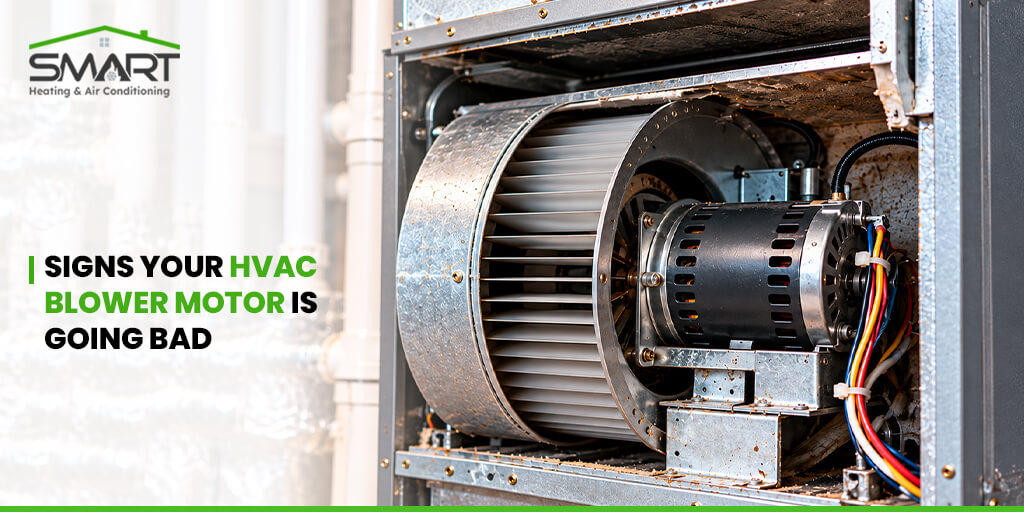
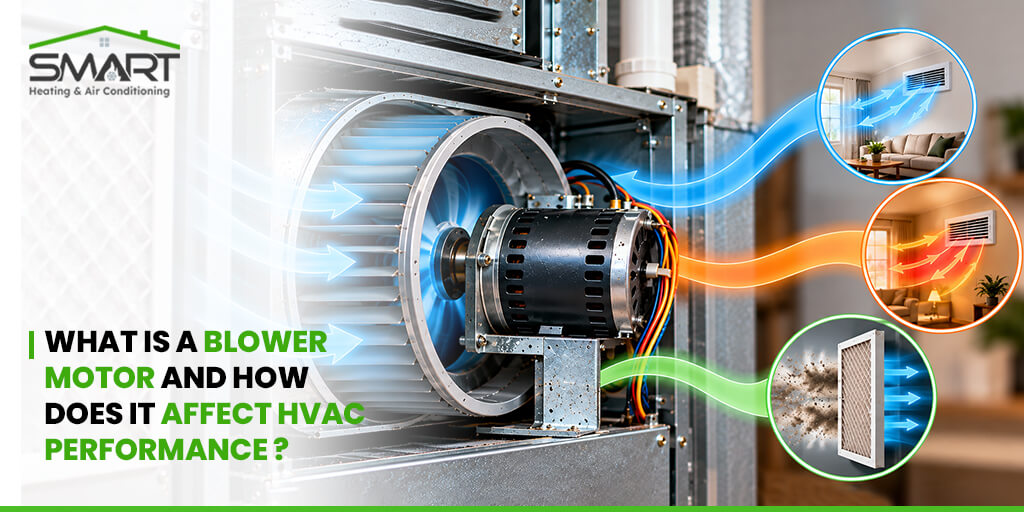
An HVAC blower motor is a component that is responsible for the movement of air through your heating and cooling system. It is available inside the furnace or indoor air handler. In simpler terms, your HVAC system cools the air, but the blower motor pushes that air into your rooms. When everything is working properly, the blower pulls air through the return vents, moves it through the system, and sends it back into your home through the supply vents.
Most of us will not think about this component because it stays inside the equipment. But if a blower motor stops working, your home will not get enough heat or cooling even though other parts are in working condition.
Where Is the Blower Motor Located?
The exact location differs by the appliance, manufacturer, and model. For most furnaces, the blower motor is situated right next to the air filter. But if you have an air conditioner or a heat pump, it is located inside the air handler, which is the indoor part of the AC or heat pump.
Types of HVAC Blower Motors
Though all blower motors move air from the HVAC system, they are available in different types, each with its own features and benefits. Depending on the year of manufacture of the HVAC system, your HVAC system may have any one of the following 3 models.
- Permanent Split-Capacitor (PSC)
- Electronically Commutated Motor (ECM)
- Variable-speed
How Does an HVAC Blower Motor Work?
You have to understand that the blower motor is one of the components of a large system. It does not cool or heat the air by itself. Instead, it pushes the air through the vents, which results in a change in temperature in the living spaces.
Here is how the process generally works.
1. The HVAC System Starts
When your thermostat detects that your home needs heating or cooling, it signals the HVAC system to start the appropriate heating or cooling process. It activates the blower according to its control settings. Some systems run the blower shortly before or after the heating or cooling cycle to improve comfort and operation.
2. The Motor Powers the Blower Fan
When the motor starts, it spins the fan or the blower wheel to move the air through the HVAC system. The amount of airflow depends on the speed of the motor, fan design, and the passage of air through the ductwork.
3. Air Moves Through the HVAC System
In an air conditioning system, the air passes from the return vents and air filter. From there, it reaches the evaporator coil, where the heat is removed from the air. Similarly, in a furnace, the air passes through the heating section to warm up. Whereas in a heat pump, the indoor coils heat or cool the air depending on the system’s setting.
4. Conditioned Air Reaches Your Rooms
After passing through the heating or cooling components, the blower pushes air into the supply ducts. The air then travels through the vents and circulates through your home. This process continues until the thermostat is satisfied or the system changes its operating mode. If the blower motor cannot move enough air, your HVAC system may have trouble maintaining the temperature you have selected.
How Does a Blower Motor Affect HVAC Performance?
A blower motor does more than push the air into living spaces. Its condition can influence how well your heating and cooling system performs every day.
It Keeps Air Moving Through Your Home
One of the first things you notice when a blower motor has issues is weak airflow. A weak or failing blower motor could be a reason. But sometimes the reason can be beyond the blower motor; a dirty air filter, blocked return vent, or ductwork problem can cause similar issues.
If you notice that airflow has dropped suddenly, start with the air filter check and make sure the vents are free from obstructions. If that does not help, have an HVAC technician inspect the system.
It Helps Keep Rooms Comfortable
Sometimes, you may feel that one bedroom feels warmer than the rest of the house, even when the AC is running. Poor airflow can be the issue behind it. If the blower motor is not working as it should, some rooms may receive less conditioned air than others. This is commonly observed in larger homes or homes with long ducts. A properly working blower motor helps distribute air throughout the house. Still, uneven temperatures can also result from poor insulation, duct leaks, or an improperly sized HVAC system.
It Can Affect Your Electricity Bills
The blower motor uses electricity when it runs through your HVAC system. When it is old or has any mechanical issues, it can consume more electricity than normal. This results in increased electricity bills. You should know that other HVAC issues can also contribute to increased energy bills.
By changing the air filters regularly and scheduling HVAC tune-ups, you can prevent airflow-related problems. But if the bills still increase, you need to call your HVAC expert to check whether the blower motor or another issue is the reason.
It Helps Your AC and Heating System Work Properly
Your HVAC system needs proper airflow to maintain comfort in your home. During summer, the blower moves indoor air across the evaporator coil. If airflow becomes too low, the coil may get too cold and freeze. When this happens, your AC may stop cooling properly. During winter, insufficient airflow can cause a furnace to overheat. But modern furnaces have safety controls to shut down the burners if the temperature is too high.
Heat pumps usually depend on proper airflow to heat or cool your home. But that doesn’t mean poor airflow always means the blower motor is faulty. A clogged filter or a dirty coil can be a reason behind less airflow. Apart from restarting the device repeatedly, find the cause and fix it.
It Can Make Your HVAC System Noisy
HVAC systems do make sounds during their operation. A little sound from your HVAC system is normal. But loud or unusual noises need to be checked. Sometimes, the motor is not the problem at all. A loose panel, debris inside the unit, or an issue with the fan assembly can produce similar sounds. If your HVAC system suddenly becomes louder than usual, arrange an inspection before the problem gets worse.
How Can You Keep Your Blower Motor in Good Condition?
Do not wait for your HVAC system to break down completely. Instead, follow the steps below to run it smoothly.
- Change Your Air Filter When Needed: Check it regularly and replace it when required. Many homes need a replacement every one to three months, although the timing depends on the filter, pets, dust levels, and system usage.
- Keep Vents Clear: Do not place furniture, rugs, or curtains near the supply vents and return grills.
- Schedule Regular Maintenance: An HVAC technician will check the blower assembly and other components and look for signs of wear.
- Pay Attention to Unusual Changes: If the airflow is low or the system makes unusual noises, do not ignore it or make changes to the thermostat.
- Leave Electrical Repairs to a Professional: The blower motor and its controls contain electrical components that should not be opened by you to prevent further issues.
Final Thoughts
A blower motor is one of the important components of an HVAC system. It moves the air from the equipment and distributes it throughout your home. If it has any issues, there will be poor airflow, uneven temperatures, higher energy bills, or unusual noises. Changing the air filters, keeping vents clear, and scheduling routine HVAC maintenance can help your system run smoothly and efficiently.
If your HVAC system is not functioning up to the mark, Smart Heating and Air Conditioning can help identify the cause and recommend the right solution for you. Contact us today to schedule an HVAC tune-up!