Aug 19, 2026 | Michael Jestadt
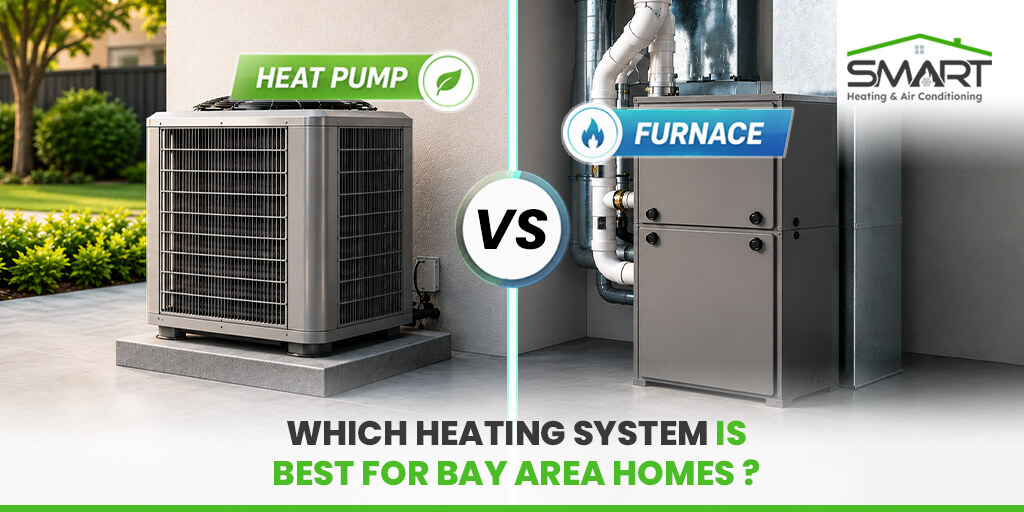
Heat Pump vs. Furnace: Which Heating System Is Best for Bay Area Homes?
When the old furnace’s lifespan is reaching its end, most Bay Area homeowners are stuck between replacing it with another gas furnace or a heat pump with modern technology. While you can observe that both are widely used in Bay Area homes, their operation will be different. They are also completely different in terms of energy bills, indoor comfort, and long-term efficiency. Knowing the key differences can help homeowners choose the best one that matches their requirements. In this article, we will compare heat pumps vs. furnaces so that you will have a better idea and choose the right option.
How Does a Heat Pump Work?
The working of a heat pump will be different from a furnace system. Apart from using a fuel source, it uses an electric source to generate heat and sends the outside air into your home. Even when the outside temperature is cool, there will be some heat in the air. The heat pump utilizes it and sends it indoors. But during summer, the process will be reversed: heat pumps remove heat from the home and maintain the indoor space cool.
By this, you can observe that the heat pump will provide both heating and cooling depending on the temperature and the setting you adjust in it.
Heat pumps are available in different types, including ducted systems and ductless mini-split systems. A ducted heat pump can use existing or new ductwork, while a ductless system uses indoor air handlers connected to an outdoor unit.
How Does a Furnace Work?
While a heat pump moves heat, a furnace produces heat. A furnace burns a fuel or uses electricity to produce heat. The heat is then transferred into the air. A blower is used to push the warm air to your home’s ductwork and into different rooms.
Furnaces only produce heat, and if you need air conditioning, you need another cooling system like a central air conditioner to cool your home. They have been commonly used in many homes for decades and still remain a popular option for homeowners who need reliable and consistent heat during colder weather.
The Key Difference: Heat Pump vs. Furnace
There are some key differences that homeowners need to know. They are:
Heat Pump:
- Provides both heating and cooling
- In mild weather, it provides efficient heating
- Transfers outside heat to the indoor instead of creating it
- Works well with energy-efficient home upgrades
- Works mainly on electricity
- You don’t need separate heating and cooling equipment
Furnace:
- Focuses mainly on heating
- Uses fossil fuels or electricity
- Produces heat directly
- Efficient heating system
- You need another heating and cooling system to cool the space
- Known to many homeowners and HVAC experts
Factors to Consider While Choosing Between a Furnace and a Heat Pump
Energy Efficiency
Energy efficiency is the major factor in considering heat pumps and furnaces. Heat pumps will transfer external heat into the indoors. They are highly efficient, especially in mild outdoor temperatures. Whereas Furnaces are rated differently. Gas furnaces have a common rating called the AFUE rating. This shows that a 90% AFUE rating converts about 90% of the fuel’s energy into heat, while the rest is lost through the combustion process and exhaust.
You need to understand that a high-performing furnace will still heat your home well, but a heat pump will use less energy in a mild climate like the Bay Area.
Bay Area Climate
When compared to various parts of the country, the Bay Area has a mild climate. The temperatures can vary in many locations, but Bay Area homes will have long periods of extreme cold. So, it makes the heat pump a great option. They can also provide cooling during warmer months.
A furnace can still be a great option for homeowners who are into traditional heating or have a well-maintained gas furnace and suitable ductwork. The choice of the system depends on the climate in the specific location and home. You can opt for a professional HVAC evaluation from Smart Heating to know the best system for your property.
Installation Costs
The installation costs for each system will be different, and various factors like home size, ductwork, complexity of the installation, and others can highly affect the costs. A heat pump installation may need alterations to the ductwork in your home. But, as a homeowner, you must focus on the total cost rather than the initial installation cost.
But a furnace can have a lower installation cost in situations like replacing an old furnace with a new one of the same model. Even though the model is different, the ductwork and gas connections must be suitable to compensate for the lower costs. But if you need both heating and cooling, you need to consult your HVAC contractor and compare the cost of having a heat pump and furnace with an air conditioner setup.
Operating Costs
Installation cost is only one part of the decision. Your system will also affect your monthly energy bills for many years.
Installation costs will be a one-time investment, but monthly bills will be ongoing for many years. While using a heat pump, the operating costs will depend highly on the electricity rates, surrounding temperatures, system efficiency, thermostat, and the frequency of the system in operation.
Since the Bay Area winters are mild, a heat pump can be a great option for efficient heating. But the system requirements may be different from home to home; you need to consult your HVAC contractor so that they can suggest the right system for your home.
Maintenance Requirements
Whether it’s a heat pump or a furnace system, both need regular maintenance.
A heat pump is used frequently almost every day of the year. Regular maintenance helps the system run efficiently and helps HVAC experts identify issues easily before they can become serious problems. A common heat pump maintenance includes checking refrigerant levels, electrical components, air filters, coils, and the outdoor unit.
A furnace is used during colder months only. Its maintenance also includes checking major components like the burner, heat exchanger, blower motor, and safety controls. But when compared to electric furnaces, gas furnaces need extra care for combustion and ventilation parts.
Whatever the system, changing or cleaning the air filters is important for airflow and indoor comfort.
Comfort
The comfort can be different for every heating system. Furnaces usually produce heat, and the blower will push that heat along with the air. Due to this, the furnace will heat up easily. So, most homeowners choose them for strong and consistent airflow.
But heat pumps usually produce more consistent airflow than short bursts of hot air from a furnace. Most homeowners can immediately feel the difference when they switch from a furnace to a heat pump. But a properly sized and installed heat pump can provide a comfortable indoor temperature.
Insulation and Ductwork
While installing any heating system, it’s better to check more than just the equipment type. Poor insulation, air leaks, and damaged ductwork will make your heating system work extra hard.
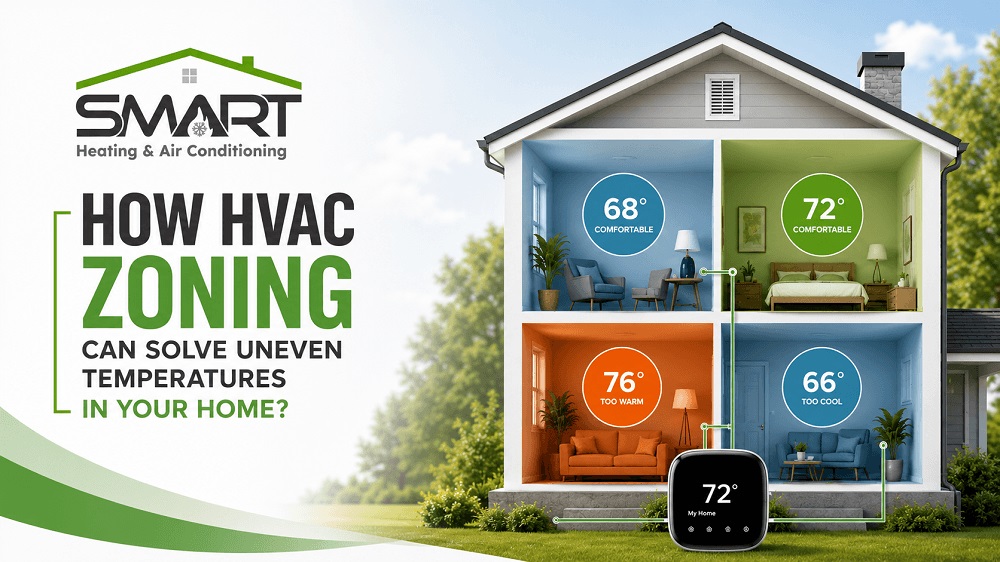
If a room is too hot and other rooms are too cold, the problem may not be in the heating system. But there are chances of issues in airflow, leaky ducts, poor insulation, or differences in thermostat settings. Finding the issue and acting accordingly can help your HVAC system perform well and maintain comfort in your home.
When Can You Choose a Furnace?
- If your AC works fine and the furnace is faulty
- If your home lacks the electric panel capacity for a heat pump
- If you do not qualify for the HEEHRA rebate and the gas costs are low
When Can You Choose a Heat Pump?
- When you have to replace both your AC and heating system
- You are qualified for HEEHRA or utility rebates.
- Your present system is using outdated R-22 refrigerant and needs immediate replacement.
- Your home is situated in a coastal area because the winter heating loads are less and summer cooling is the biggest cost driver.
- Your home is solar powered.
So, is a Heat Pump or Furnace Better for Bay Area homes?
For most homeowners, a heat pump is a great choice as it offers both heating and cooling and works well in mild temperatures. A furnace can also be the right choice for homeowners who choose traditional cooling, have compatible gas infrastructure, or need a furnace replacement. There is no universal answer; it all depends on the individual’s choice, comfort, budget, and the existing HVAC setup. So, before choosing any option, it’s better to get your home inspected by a professional HVAC expert.
If you’re considering a heat pump or furnace replacement in the Bay Area, we can help! At Smart Heating & Air Conditioning, we will help you explore the options and find the right heating solution that suits your home and comfort. Contact us today and schedule your professional heating service.