Jul 8, 2025 | Michael Jestadt
How Does an HVAC System Work?
HVAC stands for Heating, Ventilation, and Air Conditioning. These systems are responsible for controlling temperature, airflow, and the quality of the air in your space. The HVAC system plays a crucial role in maintaining the temperature, humidity, and air quality in your room. You will find HVAC systems almost everywhere you go. They are used to maintain comfort for people and create the right environment for certain industries. Therefore, understanding how these systems work and their components is crucial for you to make the best use of them. In this article, we will explain how an HVAC system works, its components, and its importance in our daily lives.
What Is An HVAC System?
An HVAC system is a comprehensive system that encompasses all the necessary technology, components, and processes required to heat, cool, and condition a residential or commercial building.
Common HVAC components in an HVAC system are:
- Air Conditioner
- Furnace
- Heat Pump
- Air Handler
- Thermostat
- Air Ducts and Vents
All these components work together to maintain a comfortable living space with improved air quality throughout the year.
Functions of an HVAC System
As mentioned above, HVAC systems operate through three primary processes. They are:
Heating
The process of increasing indoor temperature during cold climatic conditions to maintain a warm and comfortable living space is referred to as heating. Boilers, furnaces, and heat pumps carry out this process. These systems typically generate heat and distribute it throughout the home using ducts, radiators, and underfloor heating systems. A central heating system maintains optimal warmth and comfort throughout your home by circulating hot air.
Air Conditioning
The process of cooling the room and maintaining optimal humidity in the indoor air during hotter months is air conditioning. It keeps your living space comfortable even on the hottest summer days. Central air conditioners or heat pumps help to draw heat from the indoor air and send it outside. After that, they circulate the cool air back to the living space through ducts, providing a pleasant and refreshing indoor environment in your home.
Ventilation
The process of replacing indoor air with fresh outdoor air is ventilation. It is essential to remove stale air from our living spaces, allowing us to breathe fresh air that reduces moisture, unpleasant odors, and harmful pollutants. A proper ventilation system operates continuously, featuring fans, ducts, and filters that circulate indoor and outdoor air in a controlled manner, ensuring the quality of air in your home.
Components of HVAC and Their Working
The primary function of an HVAC system is to circulate warm and cool air throughout your home via ducts or an indoor unit in a ductless setup. The HVAC system is more than a single unit. It has several components working together to maintain comfort, proper ventilation, and cleaner air throughout the year.
Let’s explore some of the key components of the HVAC system and their functions.
Air Conditioner
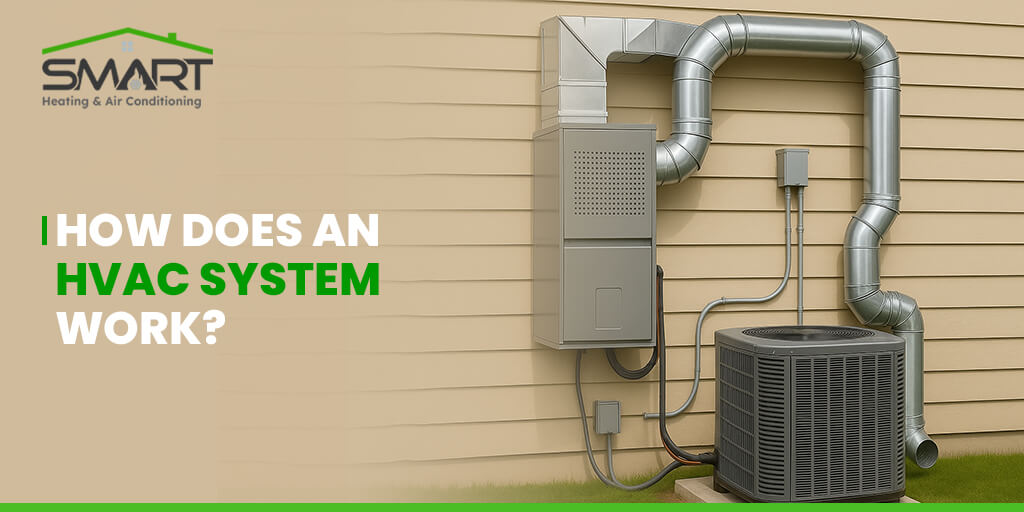
An air conditioner is the unit that you usually observe outside of the home. Its main role is to draw heat from the indoor air of the home and maintain a cool environment during the hot summer months. An Air Conditioner works with the help of a liquid called refrigerant, which circulates between the indoor and outdoor coils. By this process, it maintains a cool and comfortable environment in your home.
Furnace
Furnaces are responsible for heating your home during colder months. It has two major components: a heat exchanger, which generates the heat, and a blower, which circulates the warm air through the duct system. Furnaces are generally placed in garages, cellars, basements, and other out-of-the-way areas. Most furnaces generate heat by burning fossil fuels, such as propane or natural gas. After the air is heated, it is circulated throughout the home through ducts.
Heat Pump
A heat pump is an individual HVAC unit used to both heat and cool your home. It functions as an air conditioner to cool your home, and it can also reverse this process to provide heat.
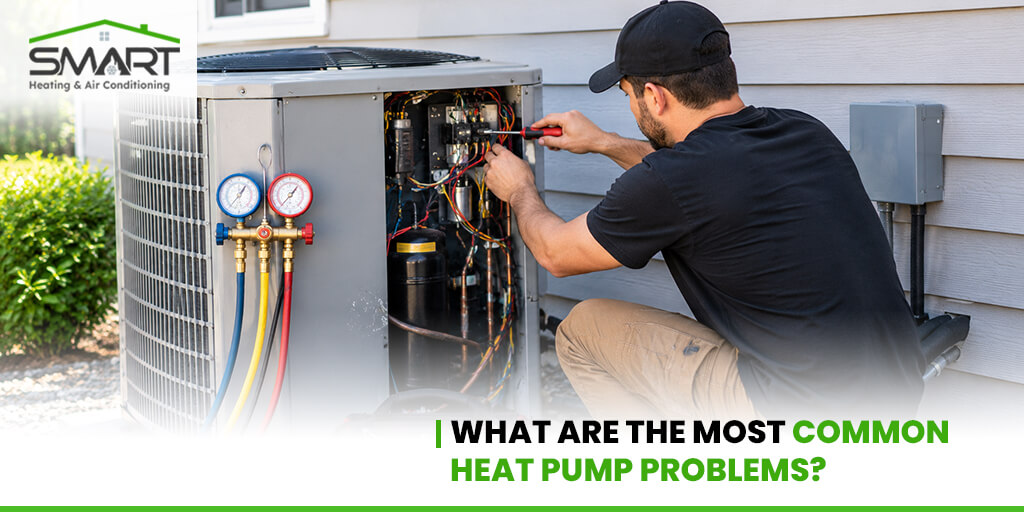
During the cooling process, the heat pump removes heat from inside the home and sends it outside. While heating, it draws heat from the outside air and sends it indoors, even in cooler temperatures. This entire process is facilitated by a reversing valve, which changes the direction of the refrigerant flow. Similar to an air conditioner, a heat pump uses indoor and outdoor coils to circulate the heat in and out of your home.
Air Handler
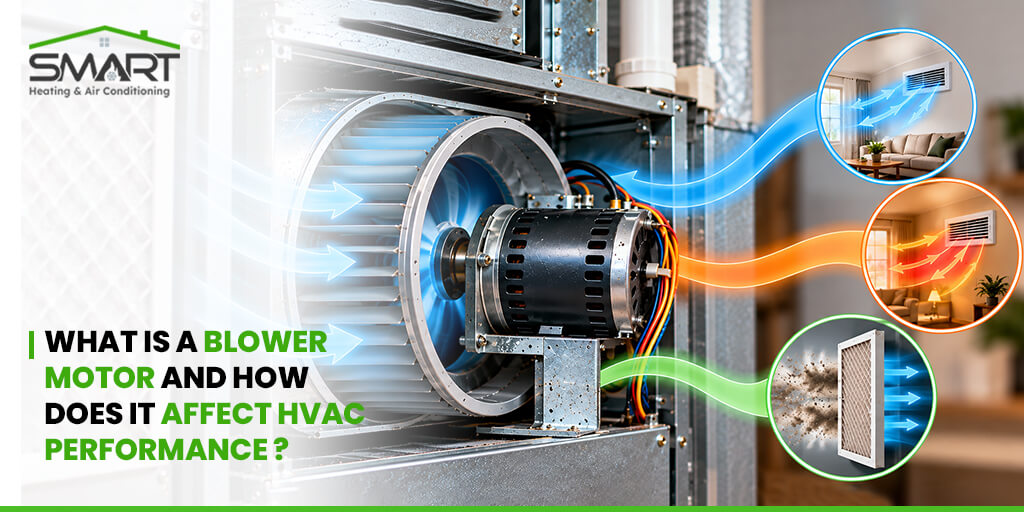
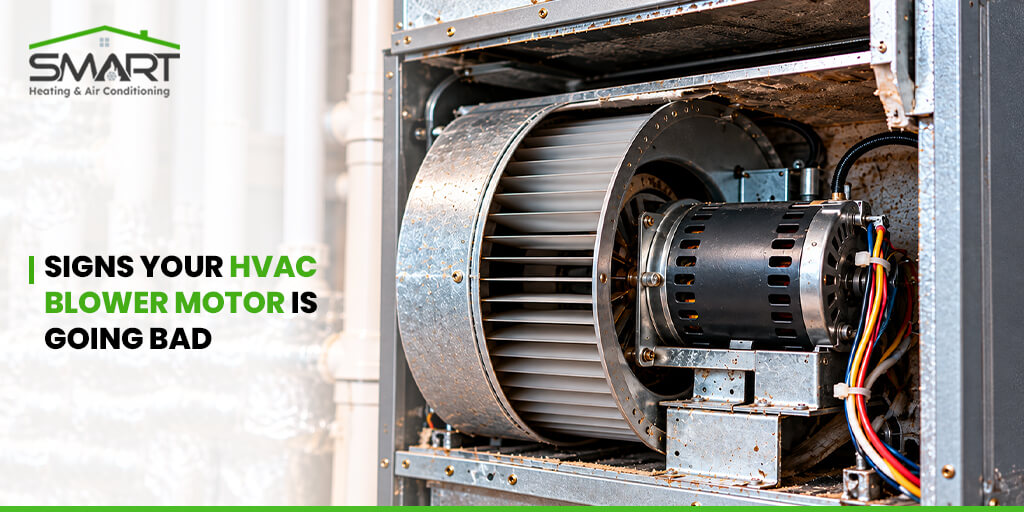
An air handler is similar to a furnace but doesn’t use fossil fuels to operate. However, it contains a coil inside the cabinet, which typically works in conjunction with an air conditioner or heat pump to heat or cool your home. Similar to furnaces, heat pumps also have blowers to circulate air through the ducts to reach different rooms. Some air handlers have heat strips, especially when used in conjunction with a heat pump, to provide extra heat when needed.
Thermostat
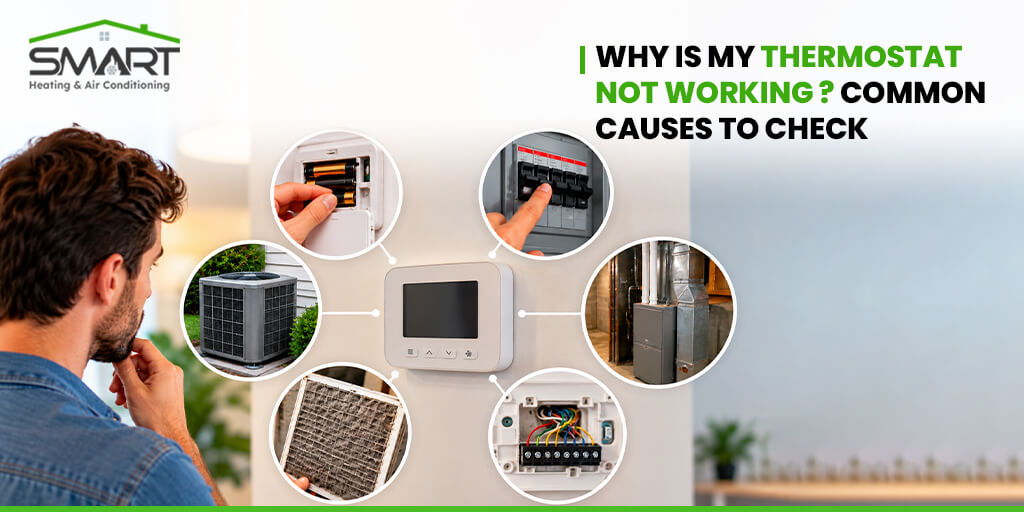
A programmable thermostat is the control center of your HVAC system. You can set the desired temperature according to your comfort. When the indoor temperature exceeds or falls below the set temperature, the HVAC system is activated. It signals that the temperature should be adjusted accordingly. This is the most used component of your HVAC system. Due to technological advancements, most thermostats are now programmable and smart, allowing you to set them automatically with the help of a mobile device to maintain the desired temperature and comfort in your home.
Air Ducts and Vents
Air ducts, also known as ductwork, carry heated or cooled air to the entire home from your HVAC system through vents. They are responsible for the even distribution of the air. You will observe ducts and vents in various parts of your home, and it is crucial to keep them clean and unobstructed to ensure free airflow.
Conclusion
An HVAC system typically combines heating, air conditioning, and ventilation, ensuring year-round comfort, improved indoor air quality, and energy savings. Therefore, it is essential to understand how these systems operate to make informed choices, whether it involves installing, maintaining, or upgrading new HVAC equipment. If you’re looking for reliable HVAC services or expert advice, Smart Heating and Air Conditioning is here for you. Whether you need new HVAC equipment, a repair, or advice, we can help you maintain comfort throughout every season. Contact us for more details.