Dec 13, 2025 | Michael Jestadt
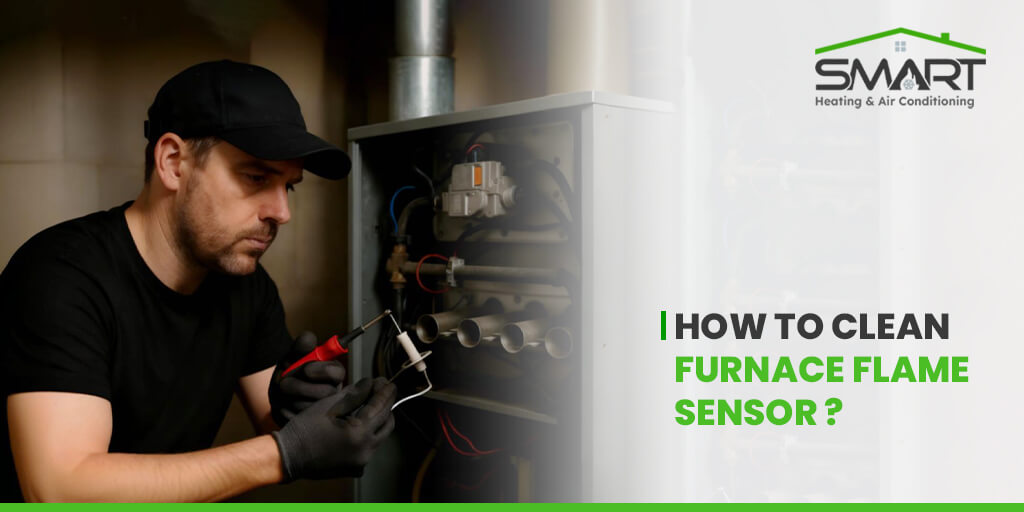
How to Clean Furnace Flame Sensor?
It isn’t very pleasant when your furnace shuts down in the middle of the night in winter. You can manage with a sweater to some extent, but later it becomes difficult. In such scenarios, the most common issue we all notice is the flame sensor. This is a small component that can get dirty and clogged and struggles to ignite. Your flame sensor needs to be maintained regularly to ensure proper furnace system operation. The interesting part is that you can do it yourself with the right tools and basic knowledge of the job. In this article, we will explore how to clean the furnace flame sensor and restore heat to your home.
What is a Flame Sensor?
A flame sensor is an important safety component in the furnace system that detects the presence of a flame. If the flame sensor doesn’t detect a flame, it signals the furnace system to shut off the gas supply to prevent potential risks. Over time, dust and soot accumulate on the flame sensor, reducing its effectiveness and causing the furnace system to lose its ability to heat the home properly.
Working of Furnace Flame Sensor
Understanding the role of the flame sensor in the furnace system is important. It is a small safety component made of metal. It utilises electricity to detect the flame inside the furnace. When a flame is detected, the system activates. If the flame sensor is faulty or covered in dust, the system will shut down.
You will be in a panic about whether to call an HVAC expert to identify the problem. But you can clean and reinstall the flame sensor. Below, we have mentioned some reasons that you may experience if you have a dirty sensor:
- Short-cycling
- Excess soot
- No heat is produced from the furnace
- Frequent clicking sounds
- The burner light is turning off immediately
How Often Should a Flame Sensor Be Cleaned?
A dirty flame sensor can cause problems for your HVAC system. So, it is important to clean it frequently to maintain comfort in your home during winter. Generally, it’s better to clean once a year or to do frequent cleaning, depending on the environment where the furnace system is located. Also, it is important to replace the flame sensor every 3-5 years to keep your HVAC system in efficient working order.
Why Clean the Flame Sensor?
Below are the reasons why frequent maintenance is important for the flame sensor. They are:
- Reliability: If the flame sensor is clean, the furnace system runs safely and effectively.
- Safety: Prevents gas leakages and potential issues.
- Efficiency: Efficient furnace operation saves energy.
Tools and Materials Needed for Furnace Flame Sensor Cleaning
- Safety gloves and goggles
- Screwdriver
- Fine sandpaper or steel wool
- Vacuum cleaner (optional)
- Cloth for cleaning
How to Clean Furnace Flame Sensor
Purchase Cleaning Supplies
Before finding the sensor and cleaning it, make sure you have all the required materials. We have listed some materials required for cleaning and preventing damage. Ensure that you have them. If not, buy them before going to the next step.
Locate the Flame Sensor
Before starting the process, ensure you turn off the gas and power for safety concerns. Once the system is off, find the flame sensor, which is present next to the burner assembly. Later, remove the excess panel to access the flame sensor. Depending on the type and model of the furnace system, you can slide it out or remove the screws with a screwdriver.
Remove the Flame Sensor
Once the access panel next to the burner assembly is removed, you should see the flame sensor. A flame sensor consists of a thin metal rod secured with a ¼-inch screw. Using a screwdriver, gently slide the sensor out of the furnace system. Some furnaces also have a wire attached to the sensor, which needs to be removed for easier cleaning.
Clean the Flame Sensor
After removing the flame sensor, clean it with an emery cloth, a soft brush, or an electric contact cleaner. The main reason for cleaning is to remove any dirt, soot, or carbon buildup. Do not try to overbrush or scrub to make it look brand new, as this can damage the sensor and require replacement.
Reinstall the Flame Sensor
Reinstall the flame sensor in the same way you removed it. If your model has a wire and you disconnected it, reconnect it, reinsert the sensor into the furnace using a ¼-inch hex head screw, and place the access panel back in its position.
Test the Furnace
Turn on the gas and electricity to the furnace. Make sure to follow the instructions while lighting the pilot switch. Remember that it may take some time for the fan to start, or it can turn on immediately and run for a short time. It is completely normal for the furnace to reset and start again. Once the unit has fully started, ensure it operates at the set temperature on the thermostat and confirm that the cleaning has resolved the issue. If not, contact an HVAC expert for an in-depth analysis.
Choose Smart Heating and Air Conditioning for your Furnace Maintenance
From the above write-up, you will learn how to clean a flame sensor and a bit more about your HVAC system. Ensure that you clean the sensor frequently, as this helps detect potential issues. If you find any issues with your furnace system, look no further and reach out to us! At Smart Heating and Air Conditioning, we have experts in furnace maintenance services and ensure your system runs efficiently all year long. Contact us today for a free quote.