Sep 14, 2026 | Michael Jestadt
How to Prepare Your Furnace for Winter in the East Bay?
Winter in the East Bay may not be cold when compared to other parts of the country, but winters can be unpredictable, and the temperatures might drop to make your home uncomfortable. A properly working furnace can maintain comfort during cold mornings and chilly nights. However, you need to ensure that your furnace is working well before the winter arrives. Preparing your furnace before winter ensures there are no unexpected breakdowns and keeps it running safely. In this article, we will explore how to prepare your furnace for winter in the East Bay to help your heating system get ready.
Why Prepare Your Furnace Before Winter
Most homeowners wait till the first day of winter to turn on their furnace, But, due to this, problems can arise as the system is left unused for many months. Dust will accumulate inside the system, on the components, and the air filters become dirty. So, preparing your furnace system is important to identify minor problems before they become expensive.
Regular furnace preparation can help:
- Maintain better comfort inside your home
- Furnace runs better and is safer
- No unexpected breakdowns
- Improved heating efficiency
- Improve the longevity of the furnace system
- Better furnace performance
- Peace of mind during winter
During a professional furnace inspection, there will be potential issues uncovered that homeowners miss.
Preparing Your Furnace for the Winter in the East Bay
1. Replace or Clean the Furnace Filter
One of the easiest tasks in furnace maintenance is an air filter check. Your furnace filter catches dust, dirt, pet hair, and other pollutants before they enter the heating system. Over time, the filter becomes dirty and can restrict airflow. This causes the furnace to work harder, which results in higher electricity use and physical strain on the system.
So, check your air filter’s condition before the winter arrives. Replace the air filter if it’s dirty. During winter, the air filter needs to be checked regularly. If you have pets or children in your home, the filter changes can be more frequent. A clean air filter is important for better indoor air quality and performance.
2. Check Your Thermostat
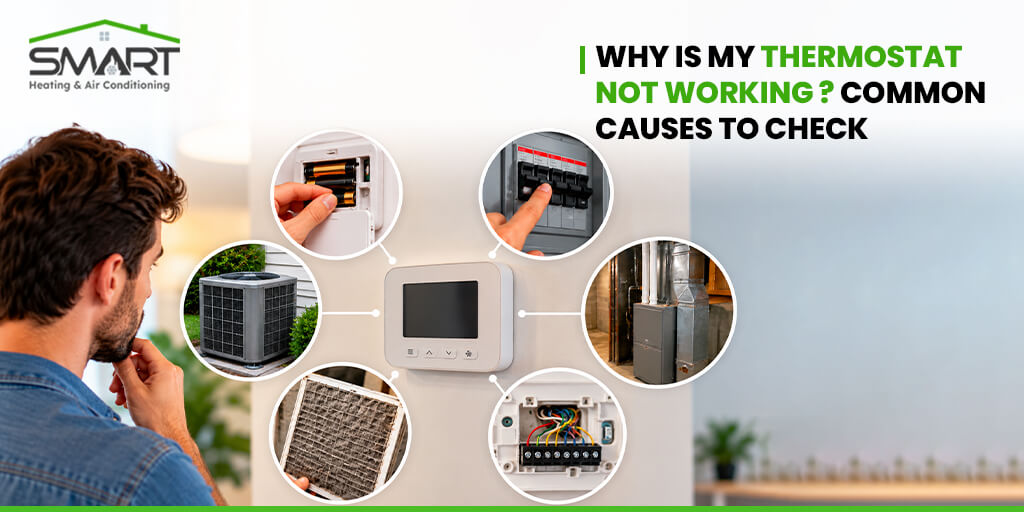
The thermostat controls your furnace system. So, check whether it’s working properly or not. Turn the thermostat settings to heat and wait for the furnace to turn on. When the furnace doesn’t start, check whether the thermostat has power and the settings are correct. If you have a smart or programmable thermostat, review it. If the thermostat is outdated or difficult to use, choose an upgraded one.
3. Make Sure Air Vents Are Open
Check the supply vents and return vents across your home. Sometimes they will be blocked by furniture or home appliances. Due to this, the airflow will be reduced, making it harder for the air to move through your home. Ensure every supply vent and return air vent is clear of obstructions.
Do not close every vent to provide more heat to one specific room. This can cause issues with the system. Your heating system is designed to produce a certain amount of airflow. Changing the airflow can affect the performance of the system. If you notice that one room is colder than the other, ask your HVAC professional to check the airflow or ductwork to ensure there are no leaks.
4. Inspect Your Furnace Area
Check the area around your furnace before using it regularly. Maintain the area clean and free of clutter around the furnace. The furnace needs enough area for proper airflow for safe operation and service. If your furnace is in a closed area like a basement or attic, ensure the area is well maintained according to the system’s requirements. If you observe any damage, water, signs of corrosion, or other issues, contact your HVAC professional before operating the system.
5. Check Your Ductwork
Your furnace produces heat, but it needs to flow through the ductwork to reach your rooms. Air leaks, loose connections, damaged ducts, or poor insulation can cause the air to escape before it reaches the living space.
Check the ductwork for signs of damage or any loose connections. If you are unable to find any, opt for a professional duct inspection to identify the problems. Making improvements in ductwork delivers warm air more effectively all year round.
6. Check for Unusual Sounds
Listen for unusual sounds when you turn on the furnace before winter. Usually, a furnace makes sounds when it starts and runs. But if you observe any unusual or loud sounds, it can indicate a serious problem.
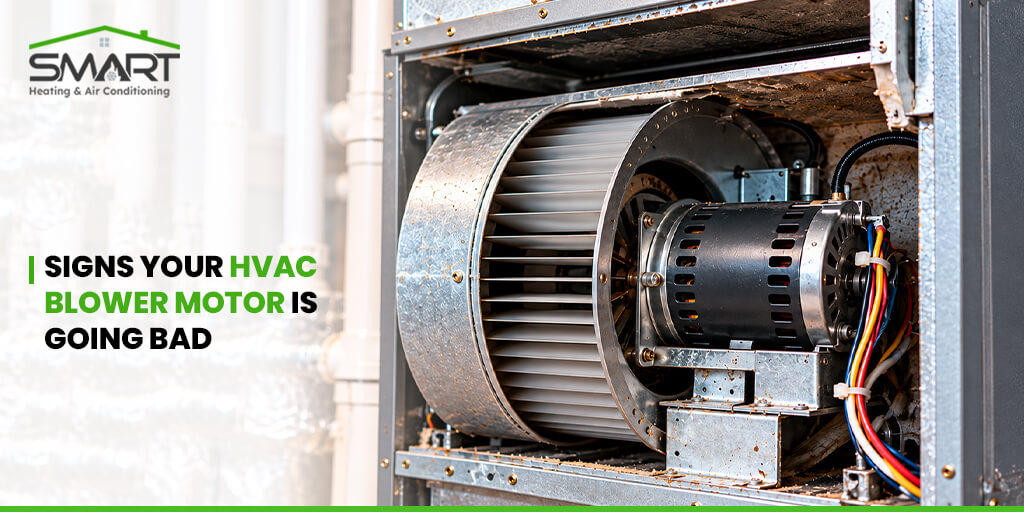
Depending on the type of sound, a furnace issue could involve a blower motor, fan, belt, electrical component, ignition system, or another part. If the sound continues or becomes worse, turn off the system and contact a qualified HVAC technician.
7. Pay Attention to Unusual Furnace Smells
After turning on your furnace, you might notice a dusty smell from your furnace. But gradually, it goes away. This happens due to the dust buildup inside your furnace. But if the smell continues for longer hours or if there is any unusual smell coming from the furnace system, it should not be ignored, as it can indicate a serious problem. Contact your HVAC professional for an inspection immediately to ensure safe heating in your home.
8. Check Carbon Monoxide Safety
If you own a gas furnace, it’s important to check for carbon monoxide safety. It is an odorless, invisible gas that is produced by fuel-burning appliances when they aren’t operated properly. Ensure the carbon monoxide detectors are working well and have fresh batteries.
If you are unsure of a carbon monoxide leak, contact your HVAC expert and get it checked to identify combustion and venting problems.
9. Consider a Furnace Tune-up
A professional tune-up involves checking the furnace’s operation, safety, and performance. For East Bay homeowners, regular maintenance is important as the heating systems can remain unused for long periods during warmer months. So, when temperatures drop, you should ensure that the furnace is ready. Regular furnace tune-ups help to detect potential issues before they become big or expensive.
Smart Heating and Air Conditioning offers a 23-Point SmartIQ Tune-Up to provide a detailed check of your HVAC system.
10. Check Your Furnace’s Age and Condition
Winter preparation is a great way to test your furnace’s condition. If your system is old, experiencing frequent repairs, produces uneven heat, or causes higher energy costs, it’s time to replace the system. Contact your HVAC professional to check the existing one and whether replacement is required or not. If it needs to be replaced, choose the right size to prevent the issues caused by undersized or oversized heating systems.
11. Check Insulation and Windows
If you are losing heat in your home quickly because of poorly insulated walls, ceilings, doors, or windows, your furnace may need to run more often to maintain the desired temperature.
If your home is losing heat through poorly insulated walls, ceilings, doors, or windows, your furnace needs to run more often to maintain comfort in your home. So, you need to check for drafts around doors and windows. Weatherstripping and basic sealing can reduce the escaping of air.
12. Prepare for East Bay Winter Temperatures
The East Bay has relatively mild winters, but you can commonly observe cold mornings and chilly nights. Because the heating season is shorter than in colder areas of the country, most homeowners miss furnace maintenance. But you need to know that even a furnace that is unused needs care.
Do not wait for a winter night to find out that your furnace will not start. A quick furnace tune-up in advance can help you detect and fix any issues before you need your heating system.
Stay Warm This Winter With Smart Heating and Air Conditioning
A little preparation can go a long way toward keeping your home comfortable during the East Bay winter. Checking your filter, testing your thermostat, keeping vents clear, and watching for warning signs are simple steps every homeowner can take. However, furnace maintenance involves more than what you can see from outside the equipment. A professional inspection can help identify issues before they become bigger problems.
If you are looking for a furnace tune-up, fall is a good time to schedule professional furnace maintenance. At Smart Heating and Air Conditioning, we can inspect your system, identify potential problems, and help you prepare for reliable heating throughout the season. Contact us today for more details.