Feb 10, 2025 | Michael Jestadt
Preparing Your HVAC System for Winter
Did you know that almost half of a home’s energy waste comes from leaky ductwork? This is a big issue in cold areas where temperatures drop below freezing in winter and rise to extreme heat in summer. Cold weather makes HVAC systems work harder, leading to more wear and tear. It is important to keep your system running efficiently, avoid costly repairs, and maintain it properly. Regular thermostat adjustments and filter changes are key to keeping your HVAC in good shape during winter. In this article, we will explore the topic of preparing your HVAC system for winter.
The Affect of Cold Weather on HVAC Systems
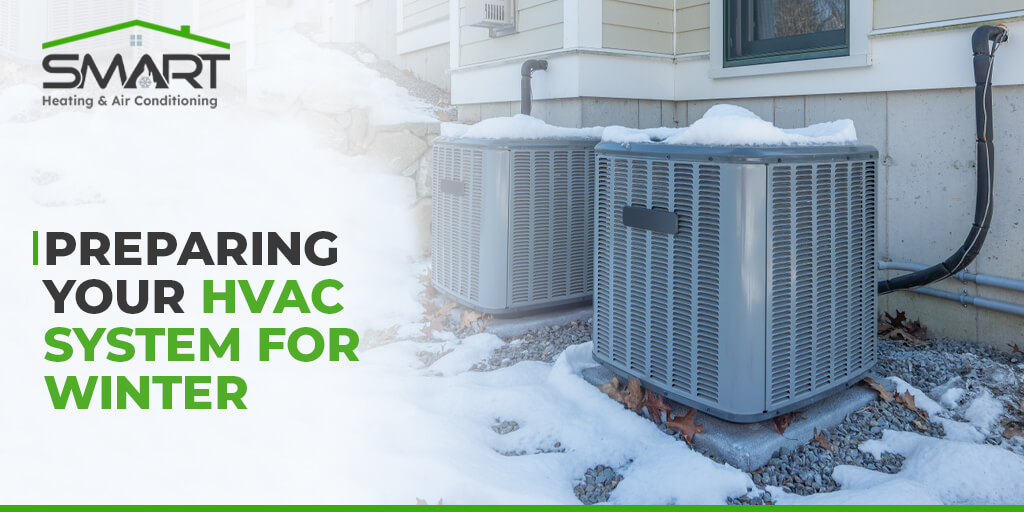
Winter can put a lot of strain on HVAC systems. Heating units must work harder to keep homes warm, leading to increased energy use and higher bills. Snow and ice can also impact performance and cause problems such as:
- Reduced Efficiency: Snow or ice buildup on heat pump units makes them less effective at heating.
- Blocked Vents: Snow-blocking furnace vents can cause system failures and even carbon monoxide risks.
- Increased Breakdowns: Older heating systems may fail more often in extreme colds if they lack modern safety features.
- Frozen Components: Pipes and coils can freeze, stopping the system from heating properly.
Prevent these issues by:
- Regularly cleaning dust and debris from the system.
- Insulating pipes to prevent freezing.
- Air conditioning units should not be covered in winter, as trapped moisture can freeze and cause damage.
- Ensuring proper installation and weatherproofing of outdoor units to prevent snow buildup.
Proper maintenance and scheduled repairs can keep your HVAC running smoothly throughout winter.
Importance of Winterizing Your HVAC System
Winterizing your HVAC system is essential for three main reasons:
Energy Efficiency
- A well-maintained system runs more efficiently, using less energy to heat your home.
- Lower energy use means reduced utility bills and a smaller environmental footprint.
Longer Lifespan
- Regular maintenance prevents unnecessary wear and tear, extending the life of your HVAC system.
- Winterizing reduces the chances of expensive breakdowns and repairs.
Better Comfort and Health
- A poorly maintained HVAC system may heat your home unevenly, leaving some rooms too cold.
- Clean systems improve indoor air quality, reducing allergens and respiratory issues.
Benefits of Replacing Your HVAC System in Winter
Many homeowners delay replacing their HVAC system until it completely fails. However, winter is the best time for an upgrade. Here’s why:
Avoid the Busy Season
During winter, the requirement for HVAC services is less. Many of us wait until we experience a breakdown. In winter, HVAC companies are less busy, making it easier to schedule a quick and convenient installation. You can avoid emergency replacements during extreme weather.
Prepare for Summer
Replacing your HVAC system in winter helps you get ready for hot weather. You won’t have to worry about it breaking down in summer, keeping your home comfortable all year.
Improved Efficiency
If you opt for a new HVAC system, you can observe immediate efficiency benefits. The new systems are designed to withstand extreme temperatures. New models are embedded with advanced technology that is more energy efficient and environmentally friendly while maintaining comfort year-round.
Preparing Your HVAC System Ready for Winter
Follow these simple steps to prepare your HVAC for the colder months:
- Change the Filters: Dirty filters make your system work harder. Replace them before winter to improve airflow and efficiency.
- Inspect the Ductwork: Leaky ducts let warm air escape, making your system less effective. Seal any leaks to improve heating performance.
- Schedule a Professional Tune-Up: A professional HVAC tune-up can catch potential problems early and ensure everything is working properly.
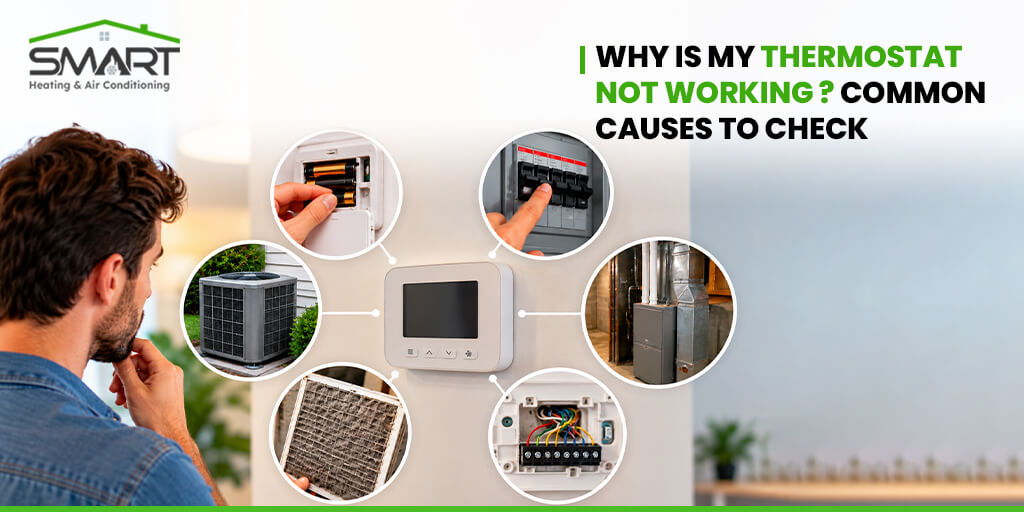
- Test the Thermostat: Make sure your thermostat is working correctly. Consider upgrading to a smart thermostat for better temperature control.
- Clear Debris Around Outdoor Units: Remove leaves, snow, and other debris around outdoor units to ensure proper airflow.
Conclusion
Cold weather can put extra stress on your HVAC system, but you can keep it running efficiently with regular maintenance. Homeowners should take steps like insulating, sealing, and cleaning their systems to prevent problems. Preparing your HVAC for winter helps avoid costly repairs and keeps your home warm and comfortable. Prepare your HVAC system for winter today! Contact Smart Heating and Air Conditioning today for a professional HVAC tune-up, repairs, or system replacement. Stay comfortable all year round. call us now for a free estimate!